

Impact of Recent Incidents on Society Recent incidents significantly influence societal dynamics, shaping public perception and response. The consequences extend beyond immediate effects, impacting community relationships, policy-making, and social norms. Understanding these implications is crucial for fostering resilience and promoting positive change within communities.
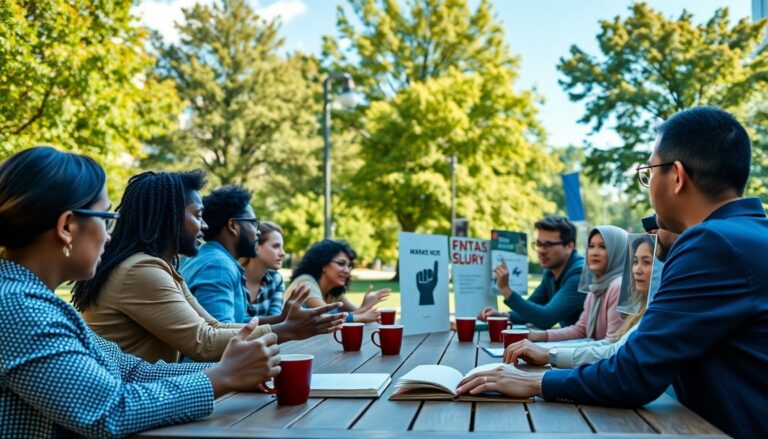
In recent years, society has witnessed numerous incidents that have ignited discussions about their implications. These events, ranging from natural disasters to social justice movements, hold unique significance for different communities. Understanding these incidents and their wider impact is vital for fostering awareness and encouraging dialogue.
The nature of incidents and their consequences
Incidents can be classified into various categories, such as natural, man-made, or social. Each type presents distinct challenges and repercussions. For example, a natural disaster can result in immediate physical damage and loss of life, while a social incident, like a protest, might influence public policy and societal norms.
Understanding natural incidents
Natural incidents, such as hurricanes and earthquakes, serve as stark reminders of how sudden events can transform entire communities. The aftermath often leads to extensive rebuilding efforts, which may span several years. These efforts typically require collaboration among diverse stakeholders, including government agencies, non-profits, and local volunteers.
The psychological impact on survivors is significant, often resulting in long-term mental health challenges. Establishing robust support systems becomes essential to aid those affected in their recovery process.
Social incidents
Social incidents, including protests and movements for change, often highlight deep-seated societal issues. The Black Lives Matter movement, for instance, sparked global conversations about race and justice. These events can unite communities, encouraging individuals to examine their values and the systems they endorse. The aftermath of such movements frequently results in legislative reforms, shifts in public sentiment, and heightened activism.
The media’s role in shaping perceptions
The media plays a vital role in how incidents are reported and understood. Coverage can either enhance or undermine public comprehension and reaction. Sensationalized reporting often breeds fear and confusion, while accurate and balanced journalism promotes informed dialogue and community involvement. The media landscape has transformed, with social media significantly influencing the sharing and perception of events.
The impact of social media
Social media facilitates real-time information sharing, establishing itself as a crucial tool during incidents. Yet, it also plays a role in propagating misinformation. The ability of individuals to share their personal experiences and viewpoints can foster greater awareness, but it may also obscure the narrative surrounding events. Navigating this complex landscape is vital for both media consumers and producers.
Building community resilience
Community resilience is essential when responding to incidents. After a disaster, communities often display remarkable strength and solidarity. Initiatives that foster community engagement not only aid in rebuilding infrastructure but also help restore social networks and trust among residents. Programs dedicated to preparedness and recovery are critical for enhancing community resilience.
Learning from incidents
Every incident presents a chance for learning and growth. Analyzing the causes and effects of past incidents allows societies to prepare for future challenges. This analysis should encompass both immediate impacts and long-term consequences. Educational programs centered on disaster preparedness, social justice, and community building can empower individuals to take proactive steps.
Policy implications
Incidents often expose weaknesses in existing policies. Lawmakers must consider the lessons drawn from these events to revise or develop legislation that addresses underlying issues. For example, following a series of climate-related incidents, many regions have begun prioritizing sustainable development and climate resilience in their planning processes.
Creating a proactive society
To create a proactive society ready to tackle challenges, we must cultivate a culture of awareness, preparedness, and community involvement. This effort calls for collaboration across various sectors, including government, education, and civil society. By uniting their strengths, communities can enhance their ability to respond to incidents and foster a more resilient society overall.
