

Professional Summary Dedicated professional with a keen focus on community safety and policy development, leveraging incident analysis to enhance public safety measures and foster resilient communities. Proven ability to identify trends, assess risks, and implement effective strategies that address safety concerns and improve community well-being. Committed to promoting sustainable safety practices through collaborative efforts and data-driven decision-making.
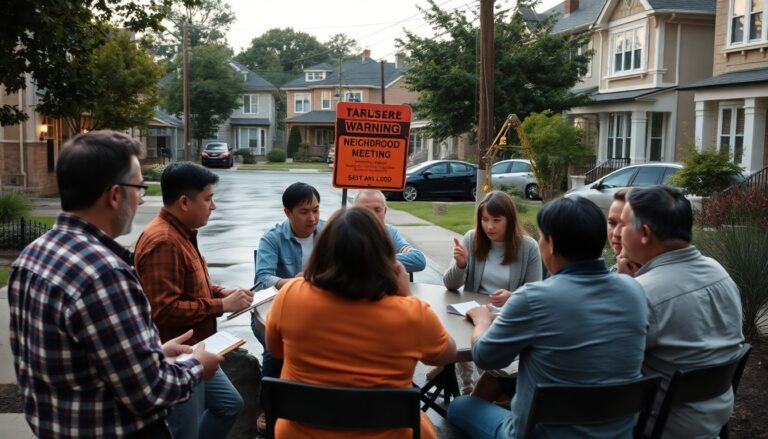
In today’s world, incidents are not merely isolated events; they act as catalysts that influence community dynamics, safety policies, and public perception. Whether a natural disaster, a crime, or an accident, the repercussions resonate through communities, prompting discussions that often lead to changes in safety protocols.
Understanding how these incidents affect communities is crucial for developing effective responses and enhancing overall safety.
The immediate effects of incidents on community safety
When an incident occurs, the initial response typically prioritizes safety and security. For instance, after a natural disaster, emergency services mobilize to provide assistance, assess damage, and ensure public safety.
Communities often come together, showcasing resilience and solidarity in the face of adversity. However, such events can also induce heightened anxiety and fear among residents, impacting their sense of security.
Public perception and fear
The media coverage of incidents plays a pivotal role in shaping public perception.
Extensive news reports can magnify fear, leading to increased anxiety among community members. For example, when a violent crime occurs, it often receives significant media attention, which may cause residents to feel unsafe in their neighborhoods. This perception can drive community members to advocate for stricter safety measures, including heightened police presence, neighborhood watch programs, or even the installation of surveillance cameras.
Long-term implications of incidents
Beyond immediate consequences, incidents can have enduring effects on community policies and safety measures. Following a significant event, local governments often reassess their emergency response plans and public safety strategies. For instance, after experiencing a series of floods, a city might invest in improved drainage systems and early warning systems to mitigate future risks. This proactive approach not only enhances safety but also builds trust between the community and local authorities.
Policy changes and community engagement
Incidents can act as a wake-up call for policymakers, prompting them to implement changes that prioritize community safety. For instance, the COVID-19 pandemic led many governments to rethink healthcare policies, resulting in increased funding for public health initiatives and emergency preparedness. Moreover, community engagement becomes essential in these discussions. Residents often possess valuable insights that can inform policy decisions, emphasizing the need for inclusive dialogues that address unique community concerns.
Building resilience through preparedness
One of the most effective methods to mitigate the impact of incidents is through proactive preparedness. Communities that invest in resilience training and emergency preparedness programs are better equipped to handle crises. These initiatives typically include workshops on disaster response, first aid training, and community drills that simulate emergency situations. By fostering a culture of preparedness, communities can enhance their ability to respond effectively to incidents.
The role of technology in incident response
Technological advancements have transformed the way communities respond to incidents. Innovations such as mobile apps for emergency alerts, real-time data sharing, and social media significantly enhance communication during crises. These tools facilitate faster dissemination of information, allowing residents to make informed decisions during emergencies. For example, a community utilizing an alert system can promptly inform residents of impending dangers, such as severe weather or public safety threats.
Incidents serve as pivotal moments that shape community safety and public policy. They underscore the importance of immediate response, long-term planning, and community engagement. By understanding the dynamics of incidents, communities can foster resilience and preparedness, ultimately leading to a safer environment for all residents.
