

Explore the rich tapestry of England's captivating history and dynamic culture.
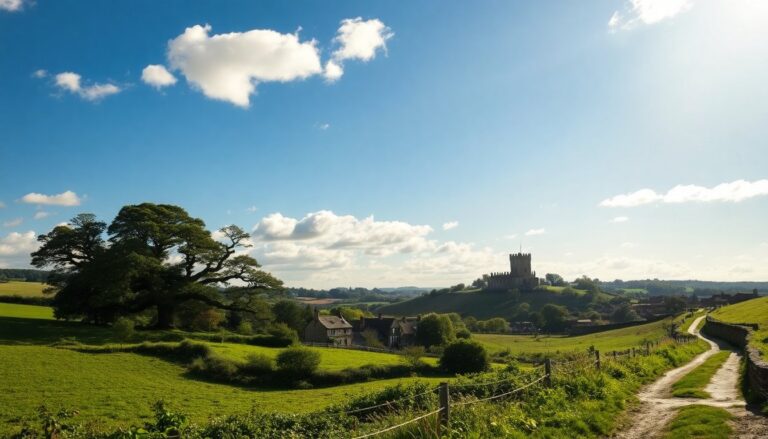
England, a country rich in history and culture, has long captivated historians, tourists, and cultural enthusiasts. Its diverse landscapes, ranging from the rolling hills of the Cotswolds to the vibrant streets of London, present a tapestry of experiences that reflect its storied past.
This article explores the rich history and vibrant culture of England, highlighting key aspects that define this iconic nation.
The historical journey of England
To appreciate the culture of England, one must first understand its historical evolution. From the ancient Celts to the Roman conquest, England’s history is a mosaic of various influences.
The Anglo-Saxon period established small kingdoms, which later unified under the Kingdom of England in the 9th century.
Norman conquest and its implications
The Norman Conquest of 1066 marked a significant turning point in English history. Led by William the Conqueror, the Normans introduced feudalism and transformed the power landscape in England.
Castles and cathedrals became symbols of Norman authority, with the Tower of London standing out as one of the most iconic structures from this era. The impact of this conquest is evident in contemporary England, particularly within the legal and political systems that emerged from this period.
England’s cultural landscape
The cultural fabric of England rivals its history, encompassing literature, art, music, and traditions. The literary heritage, represented by giants such as William Shakespeare and Charles Dickens, has profoundly influenced English literature and the world at large. Shakespeare’s plays, exploring human emotion and societal issues, remain relevant today.
Art and architecture
In addition to literature, England showcases a diverse range of artistic expressions. The Pre-Raphaelite Brotherhood sought to return to the detail and colors of art prior to the Renaissance. Their works reflect a deep appreciation for nature and medieval themes. Furthermore, the architectural landscape of England—from Gothic cathedrals to the modern designs of the 21st century—demonstrates a continuous evolution of style and function.
Traditions and celebrations
Understanding England involves exploring its rich traditions and celebrations. From the iconic Trooping the Colour ceremony, marking the official birthday of the monarch, to the lively Notting Hill Carnival, England’s cultural calendar is filled with events showcasing its diversity.
Food and drink culture
The culinary scene in England blends traditional dishes with modern influences. Classic meals such as fish and chips and roast dinners coexist with contemporary dining experiences reflecting global cuisines. The emergence of gastropubs has transformed pub culture, offering gourmet food alongside traditional ales.
Moreover, the afternoon tea tradition remains a quintessentially English experience, with origins dating back to the early 19th century. This ritual of enjoying tea accompanied by sandwiches, scones, and pastries transcends mere sustenance, becoming a vital aspect of social culture that thrives today.
