

Find out how embracing a plant-based diet can improve health and longevity as we age.
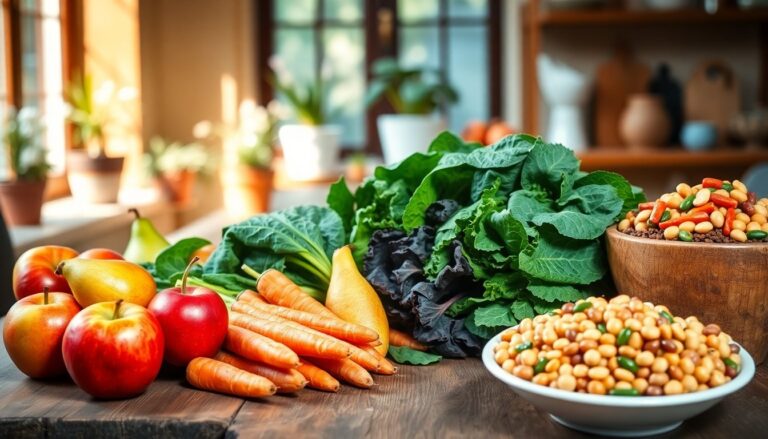
As World Vegan Day approaches on November 1st, many individuals may contemplate the possibility of switching to a plant-based diet. Particularly for those in their later years, the question arises: what tangible health benefits does this dietary shift provide?
According to dietitian Katie Sanders, who is highly rated on Doctify, the recommendations outlined in guides like The Eatwell Guide suggest an increase in the intake of plant foods such as fruits, vegetables, and legumes.
Observational studies have shown that diets rich in these foods are linked to a longer lifespan and a decreased incidence of heart disease and specific cancers. Additionally, a diet abundant in plants is often associated with improvements in gut health, cardiovascular wellness, and lower blood pressure.
The impact of plant-based nutrition on heart health
One of the significant advantages of a plant-based diet lies in its capacity to support heart health. These diets generally contain lower levels of saturated fats while being rich in fiber, potassium, and antioxidants.
An increase in dietary fiber not only assists in regulating blood sugar levels but also enhances insulin sensitivity, which is crucial for maintaining overall health, especially as we age.
Is a plant-based diet the best option for everyone?
While a plant-based diet can provide numerous benefits, Sanders emphasizes that it is not necessarily superior to other healthy eating patterns, such as the Mediterranean diet. “What matters most is finding a sustainable eating style that you enjoy and that meets your nutritional needs,” she states. This highlights the importance of personal preference and dietary habits in achieving lasting health.
Tips for incorporating more plants into your diet
For those interested in transitioning to a more plant-focused diet, careful planning is essential to ensure adequate intake of vital nutrients. Sanders outlines several strategies to make this shift in a balanced manner:
1. Gradual changes are key
Starting with small modifications can make a significant difference. Instead of completely eliminating animal products, aim to enrich your meals with additional portions of fruits and vegetables. “It’s not about what you take away, but what you add that counts,” Sanders suggests.
2. Don’t overlook protein
For individuals who adopt a fully plant-based lifestyle, it is crucial to ensure sufficient protein intake. Sanders highlights that protein is vital for cellular repair and maintenance, especially as muscle mass tends to decline with age. A diverse diet that includes beans, lentils, tofu, tempeh, nuts, seeds, and whole grains can provide adequate protein. “Aim for three to four servings of high-protein plant foods daily,” she advises.
3. Choose whole foods over processed options
Focusing on whole plant foods, such as beans, vegetables, and whole grains, is more beneficial than consuming processed alternatives. For instance, a vegan burger and fries may contain higher levels of saturated fats and sodium compared to a wholesome lentil curry. Whole foods offer a wealth of nutrients, including fiber, vitamins, antioxidants, and polyphenols, which are often lost in ultra-processed products.
4. Ensure adequate calcium intake
Bone health becomes increasingly important as we age, making it essential to consume enough calcium. Sanders recommends aiming for two to three servings of dairy or fortified non-dairy alternatives each day to support bone strength.
5. Opt for frozen and canned options
Canned beans, pulses, and frozen vegetables can be economical sources of nutrition. They are often just as nutritious as their fresh counterparts and can be budget-friendly. “For a quick snack, try roasting canned chickpeas with olive oil and spices,” suggests Sanders.
6. Embrace a colorful plate
Incorporating a variety of colors into your meals can encourage the intake of diverse fruits, vegetables, and plants. “A colorful plate is not only visually appealing but also indicates a range of nutrients,” Sanders notes.
7. Balance your plate
To maintain a well-rounded meal, consider dividing your plate into thirds. One-third should consist of carbohydrates like pasta or rice, another third dedicated to protein sources such as beans or tofu, and the final third for vegetables or salad. This method promotes balance and aids in achieving nutritional goals.
8. Consult with a professional
While many can shift to a plant-based diet without guidance, Sanders advises those who are older adults, have low body weight, or suffer from conditions like osteoporosis to seek professional advice. Ensuring that your dietary changes are nutrient-dense and well-rounded is crucial for avoiding deficiencies.
