

Ebola Outbreak in Congo Approaches Conclusion: Last Patient Discharged The recent Ebola outbreak in the Democratic Republic of the Congo is nearing its conclusion, marked by the successful discharge of the last patient from medical care. Health officials are optimistic as this significant milestone reflects the effectiveness of ongoing containment efforts and public health interventions. The community's resilience and the dedicated response from healthcare workers have been pivotal in...
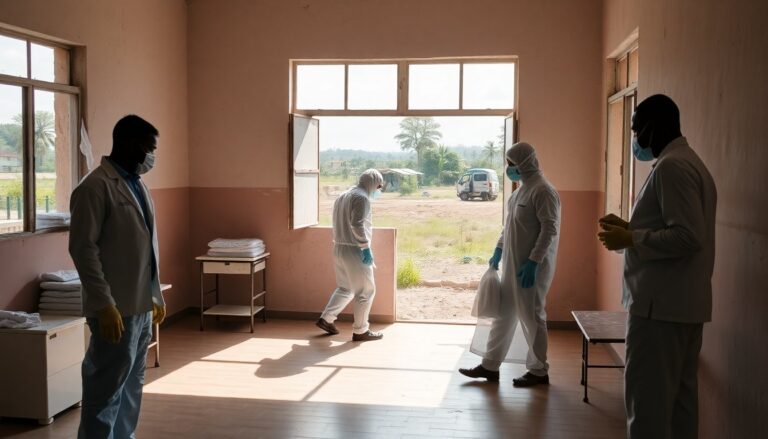
The World Health Organization (WHO) is poised to declare the end of the latest Ebola outbreak in the Democratic Republic of Congo. This declaration follows the discharge of the last patient from treatment, marking a significant milestone in the ongoing fight against this deadly disease.
The outbreak affected multiple regions within the country, leading to a total of 64 confirmed cases. Tragically, at least 45 lives were lost, underscoring the severe impact of this haemorrhagic fever on local communities. However, the recovery of the last patient offers hope and signifies a crucial turning point in the battle against Ebola.
The impact of the Ebola outbreak
The Ebola outbreak has had profound ramifications, extending beyond individual health to disrupt the socio-economic landscape of the affected areas. Communities that were once thriving faced significant challenges as healthcare systems struggled to manage the influx of patients afflicted by this virulent virus.
Caused by the Ebola virus, the disease manifests through severe symptoms, including fever, vomiting, and, in some instances, bleeding. The highly contagious nature of the virus necessitates stringent public health measures to contain its spread. This often results in quarantines and travel restrictions, disrupting daily life.
Public health response and international efforts
The WHO, in collaboration with local health authorities, implemented a robust response to the outbreak. Teams were dispatched to the region to execute vaccination campaigns, conduct contact tracing, and initiate education efforts aimed at raising awareness about the disease. These initiatives were crucial for establishing a containment strategy that ultimately helped reduce transmission rates.
International assistance also played a vital role in combating the outbreak. Organizations and governments across the globe provided resources, medical supplies, and personnel to support the affected regions. This collective effort highlights the importance of global solidarity in addressing infectious diseases that threaten public health.
Lessons learned and future implications
The insights gained from this outbreak will inform future public health responses. Each outbreak presents unique challenges; however, the lessons learned can be invaluable for developing strategies to address potential future crises. The significance of rapid response, community engagement, and sustainable health systems cannot be overstated.
Furthermore, enhancing surveillance systems and investing in healthcare infrastructure will be critical for mitigating the effects of future outbreaks. As the world continues to confront various health threats, the need for preparedness and resilience in public health remains a top priority.
Hopeful outlook
The discharge of the last Ebola patient from treatment facilities in the Democratic Republic of Congo represents a moment of relief and optimism. As the WHO prepares to announce the end of this outbreak, it exemplifies the resilience of communities and the tireless efforts of healthcare professionals.
While the toll of this outbreak has been tragic, it also serves as a reminder of the ongoing battle against infectious diseases. Vigilance, preparedness, and a commitment to global health equity are essential as efforts progress to prevent similar outbreaks in the future.
