

High-Ranking Syrian Military Officer Arrested for War Crimes: Accountability in Action A senior Syrian military officer has been apprehended for the execution of prisoners, representing a pivotal advancement in the pursuit of accountability for war crimes. This significant development highlights ongoing efforts to address human rights violations and promote justice in conflict-affected regions.
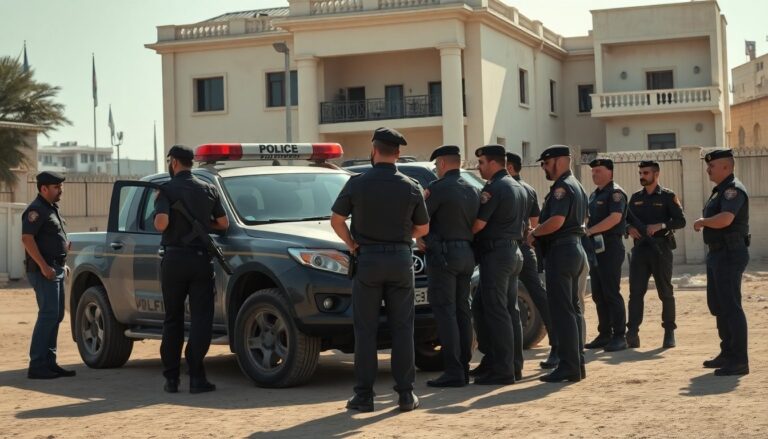
In a significant step towards accountability, Syrian authorities have arrested former military leader Major General Akram Salloum al-Abdullah. The arrest follows serious allegations of human rights violations. This development, confirmed by the interior ministry, underscores the ongoing challenges related to justice for atrocities committed during the regime of former President Bashar al-Assad.
Abdullah served as the Commander of the Military Police from 2014 to 2015. He faces accusations of orchestrating executions at Sednaya prison, a facility infamous for its brutal treatment of political prisoners. Located near Damascus, Sednaya prison has been labeled by human rights organizations as a “human slaughterhouse,” highlighting the severe abuses reported there.
Background of the allegations
The statement from the interior ministry highlighted that Abdullah was directly involved in severe violations against detainees. Under his leadership, Sednaya prison became a site of extreme suffering. Reports of systematic torture, disappearances, and mass executions have emerged since the start of the Syrian civil war in 2011.
A report by Amnesty International indicates that the prison gained infamy for these atrocities, being classified as a location where violations amounted to crimes against humanity. The organization documented numerous instances of murder and torture, significantly shaping the grim narrative of this dark chapter in Syria’s history.
Testimonies from former detainees
Accounts from individuals who escaped the prison highlight a disturbing reality. A report from Human Rights Watch supports these claims, indicating widespread mass executions occurred under Abdullah’s command. The Association of Detainees and Missing Persons of Sednaya Prison estimates that nearly 30,000 individuals have been detained since 2011, with approximately 6,000 released, leaving thousands still unaccounted for.
Diab Serriya, a co-founder of the detainees’ association, stated that Abdullah is the highest-ranking individual arrested related to the atrocities at Sednaya. Serriya emphasized the military police’s role in managing prison operations, claiming Abdullah’s leadership was characterized by numerous executions and severe torture of prisoners.
Implications of the arrest
The recent arrest of Abdullah marks a significant advancement in the pursuit of accountability for war crimes in Syria. The White Helmets, formally known as Syria’s Civil Defence, have reported alarming figures, indicating that between 50 to 100 executions occurred daily, primarily targeting political opponents of the Assad regime.
The ramifications of this arrest may transcend individual accountability and could initiate broader investigations into the actions of additional regime officials. The international community has been vigilant regarding the situation in Syria, and this event may renew discussions surrounding justice and reparations for the victims of the regime’s violent crackdown on dissent.
Moving forward
As the Syrian conflict continues, the challenges surrounding justice for crimes committed during the war remain substantial. Reports indicate over 200,000 deaths in Syrian prisons due to executions and torture, highlighting the lengthy and difficult path to accountability. The recent arrest of Major General Akram Salloum al-Abdullah emphasizes the urgent need for thorough investigations into human rights abuses.
The apprehension of Abdullah marks a significant moment in the ongoing pursuit of justice for victims of the Syrian regime’s atrocities. While this action alone does not alleviate the suffering of many, it serves as a potential step toward accountability in a nation deeply affected by conflict.
