

Synthetic biology is revolutionizing industries, from healthcare to agriculture, and businesses must prepare for this shift.
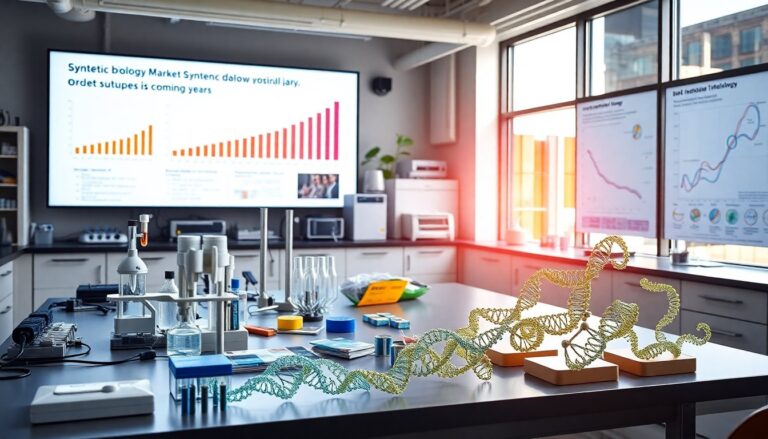
The rise of synthetic biology and its impact on industry
Synthetic biology is emerging as one of the most disruptive innovations of our time. It combines science and engineering to create new biological parts, devices, and systems. According to MIT Technology Review, the synthetic biology market is projected to grow exponentially, potentially exceeding $40 billion by 2026.
Speed of adoption
The adoption of synthetic biology technologies is accelerating significantly. Investment in research and development is increasing. Gartner predicts that by 2028, more than 30% of new products in the pharmaceutical industry will utilize synthetic biology techniques.
Implications for industries
The implications for various industries are significant. In healthcare, synthetic biology is driving advancements in personalized medicine and innovative therapies. In agriculture, it is improving crop yields and sustainability through genetically engineered organisms. The energy sector is also experiencing progress, as biofuels emerge as viable alternatives to fossil fuels.
Preparing today
To adapt to this paradigm shift, companies should prioritize investments in research and development and cultivate partnerships with biotechnology firms. Employee training in genetic engineering and bioinformatics will be essential. Organizations that embrace exponential thinking and agility will be better equipped to navigate these transformative changes.
Emerging scenarios in synthetic biology
The future arrives faster than expected: synthetic biology is set to become a fundamental aspect of our daily lives. Emerging trends show the extensive application of engineered microbes in manufacturing processes, enabling the production of bio-based materials for various consumer products. Additionally, advancements in tailored genetic modifications promise significant breakthroughs in disease treatment.
However, this rapid evolution will necessitate careful consideration of ethical implications and the establishment of robust regulatory frameworks to guide these innovations. The intersection of technology and ethics will ultimately shape the landscape of synthetic biology and its integration into society.
