

The Impact of the Far-Right Party on the Upcoming Elections in the Netherlands: A Focus on Immigration Issues As the Netherlands approaches its upcoming elections, the far-right party is gaining significant traction, largely due to its strong stance on immigration. This trend highlights the increasing influence of nationalist sentiments within the electorate, reflecting broader concerns over immigration policies and their implications for Dutch society. Voters are increasingly drawn to the...
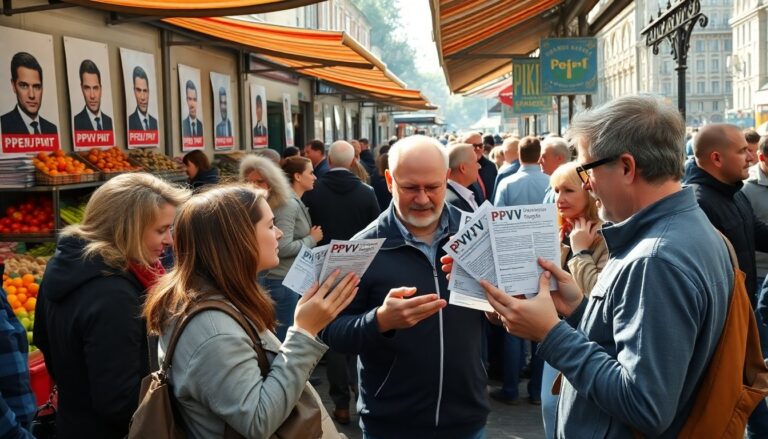
As the date for the snap parliamentary election in the Netherlands approaches on October 29, political analysts note a significant shift in voter sentiment, particularly regarding immigration. With the dissolution of the ruling coalition, the far-right Party for Freedom (PVV), led by Geert Wilders, is positioned to gain substantial seats in parliament, reflecting widespread public concern over immigration.
Political landscape shifting towards the far-right
The rise of the PVV is attributed to its strong anti-immigration stance, an issue that has increasingly resonated with Dutch voters. In the previous election held in, the PVV emerged as the party with the highest number of votes, forming a coalition with three other right-leaning parties.
However, a major disagreement over immigration policies led to the PVV’s departure from that coalition in June, thereby triggering the need for a new election.
Coalition breakdown and the subsequent election
Geert Wilders, leader of the Party for Freedom (PVV), expressed dissatisfaction with coalition partners who hesitated to implement a stricter asylum policy.
He announced the PVV’s exit from the coalition via social media, a move that drew criticism from former allies. They accused him of placing personal ambition above collective governance. Following Wilders’ departure, Prime Minister Dick Schoof announced his resignation, setting the stage for the upcoming elections.
In August, the political situation became more unstable when the Foreign Minister from a coalition party resigned. This resignation occurred after the minister failed to secure support for sanctions against Israel. Following this, additional members exited the coalition, leaving only two parties remaining. As elections approach, opinion polls suggest that the PVV is likely to obtain the most seats. However, in the Netherlands’ proportional representation system, no single party has ever secured the majority necessary to govern alone.
Immigration at the forefront of voter concerns
Surveys indicate that immigration has become the primary concern for many voters. A poll by EenVandaag shows that about 50% of participants view immigration as the most significant issue affecting their voting choices. Following immigration, issues related to housing and views on Dutch identity are also prominent among voter priorities.
Public unrest and rising tensions
The debate surrounding immigration has intensified, leading to notable protests organized by right-wing groups. These demonstrations have escalated into violence, with clashes reported between protesters and law enforcement in The Hague. Such events highlight the growing tensions within Dutch society regarding immigration.
In response to the rising influence of far-right groups, left-leaning parties assert that the immigration crisis has been overstated. Activists from pro-immigration organizations argue that the emphasis on immigration issues distracts from larger socio-economic challenges, such as populism and the privatization of public services. Despite these claims, the messaging from far-right factions seems to resonate more effectively with voters, as indicated by the declining support for parties that promote more open immigration policies.
Demographics and housing crisis interlinked with immigration
Approximately 2.9 million migrants live in the Netherlands, representing 16.2% of the population. This percentage exceeds the average in EU member states, where migrants make up about 9.9% of the total population. This influx has been associated with several social challenges, notably the ongoing housing crisis, which has been worsened by immigration.
Current research reveals a housing deficit of around 434,000 homes in the Netherlands. This shortage significantly impacts asylum seekers and first-time homebuyers. As a result, many residents view immigration as a key contributor to the housing crisis, which has, in turn, bolstered the electoral support for far-right political parties.
The implications of rising far-right sentiment
Analysts project that the influence of far-right parties in the Netherlands will continue to grow. This trend reflects a conservative shift in the Dutch political landscape. As a result, immigration is expected to remain a divisive issue, impacting future political decisions.
The rise of the Party for Freedom (PVV) has noticeably affected the experiences of immigrants in the Netherlands. Reports indicate a rise in openly discriminatory attitudes, with many immigrants feeling marginalized and unsafe in their communities.
Despite the prevalent anti-immigration sentiment, the PVV encounters obstacles in forming a governing coalition. Other political parties have expressed their unwillingness to partner with the PVV, raising concerns about the future direction of governance in the Netherlands.
As the elections near, the final outcome may depend on how well political parties address the intricate issues of immigration while responding to voter concerns.
