

Call for a Ban on Processed Meats: Health Risks of Bacon and Ham A coalition of leading scientists is advocating for a comprehensive ban on bacon and ham, citing significant health risks linked to the consumption of processed meats. This initiative aims to raise awareness about the potential dangers associated with these popular food items and promotes healthier dietary choices for the public.
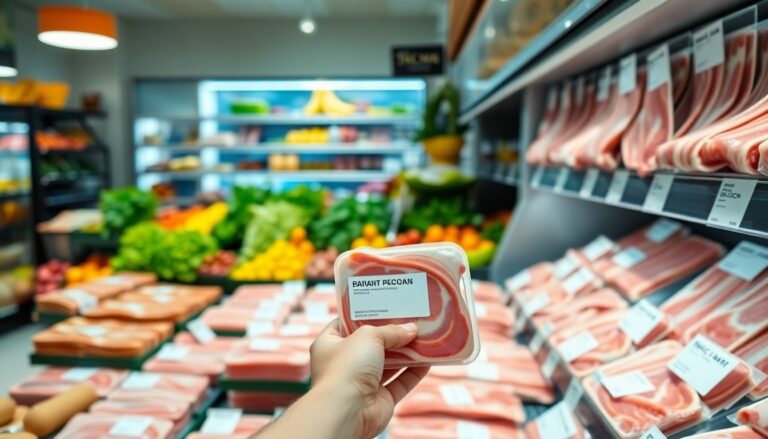
In a significant health alert, a coalition of prominent scientists is advocating for a ban on supermarket bacon and ham. This urgent call comes in response to alarming evidence linking chemicals used in these products to over 50,000 cases of bowel cancer in the UK.
The primary culprit identified is nitrites, preservatives that not only maintain the appealing pink color of processed meats but also extend their shelf life.
The impact of these chemicals is profound. Estimates suggest that around 5,400 new bowel cancer cases arise each year due to the consumption of processed meats.
This situation imposes a staggering financial burden on the National Health Service (NHS), which has spent approximately £3 billion over the last decade treating preventable cancers. Despite warnings from health organizations, governmental action has been minimal.
Historical context of processed meats and cancer risks
Ten years ago, the World Health Organization’s International Agency for Research on Cancer (IARC) classified processed meats as a Group 1 carcinogen, indicating a similar risk level to substances like tobacco and asbestos. Since that classification, there has been little progress in reducing public exposure to nitrites, according to Professor Chris Elliott OBE, founder of the Institute for Global Food Security and former government advisor. He emphasizes that every year of inaction leads to more cancers and increased strain on healthcare resources.
Scientific analysis and recommendations
The scientists’ recent analysis, drawing on data from sources such as Cancer Research UK and the British Journal of Cancer, has further solidified the link between processed meats and cancer. Their 2015 report analyzed over 800 studies, revealing that consuming just 50 grams of processed meat daily raises the risk of developing colorectal cancer by 18%. This risk is particularly pronounced due to the combination of nitrates and specific processing methods used in making products like bacon, ham, and sausages.
Currently, it is estimated that around 90% of bacon sold in the UK contains nitrites, which are linked to bowel cancer as well as other forms of cancer, including breast and prostate cancers. Professor Robert Turesky from the University of Minnesota, who contributed to the WHO report, asserts that the evidence linking processed meats to cancer has only strengthened over the past decade, necessitating urgent public health interventions.
Calls for regulatory changes and consumer awareness
In light of the mounting evidence, the coalition of scientists has formally urged Health Secretary Wes Streeting to implement a ban on nitrites in processed meats. They advocate for clear labeling on packaging that warns consumers about the cancer risks associated with nitrite-cured products. Additionally, they propose a long-term strategy to phase out nitrite use in all processed meats sold in the UK, backed by regulatory measures to ensure compliance and financial support for smaller producers transitioning to safer alternatives.
Current market situation and consumer options
While nitrite-free bacon and ham, often marketed as ‘naked bacon’, are available, they constitute only 5-10% of the market share. The majority of mass-produced bacon found in supermarkets still contains these harmful preservatives, making it challenging for consumers to make healthier choices. The experts have also reached out to the European Union’s health and food safety commissioner to advocate for similar measures, noting that the EU has already begun to lower permissible nitrite levels.
Current NHS guidelines recommend limiting processed meat intake to no more than 70 grams per day, roughly equivalent to two slices of bacon. However, leading organizations like the World Cancer Research Fund and the American Institute for Cancer Research suggest even stricter limits, advocating for minimal to no consumption of processed meats.
Understanding bowel cancer and its symptoms
Bowel cancer has emerged as the fourth most prevalent cancer in the UK, with approximately 44,000 new diagnoses each year. In the United States, the figures are even more staggering, with 142,000 new cases reported annually. Symptoms to watch for include persistent changes in bowel habits, such as diarrhea or constipation, a sensation of incomplete bowel emptying, and traces of blood in the stool. Other warning signs encompass abdominal discomfort, bloating, unexplained weight loss, and fatigue.
The late Dame Deborah James, affectionately known as the ‘Bowel Babe,’ played a pivotal role in raising awareness about bowel cancer, amassing over £11.3 million for Cancer Research UK before her passing at the age of 40. Recent global studies indicate a concerning trend of increasing colon cancer rates among individuals under 50, highlighting the urgency for increased awareness and preventive measures.
