

AcuPebble SA100: Revolutionizing Sleep Apnea Diagnosis for Patients Across the UK The AcuPebble SA100 is set to transform the sleep apnea diagnostic landscape, offering innovative solutions that enhance patient care and improve outcomes for countless individuals throughout the UK.
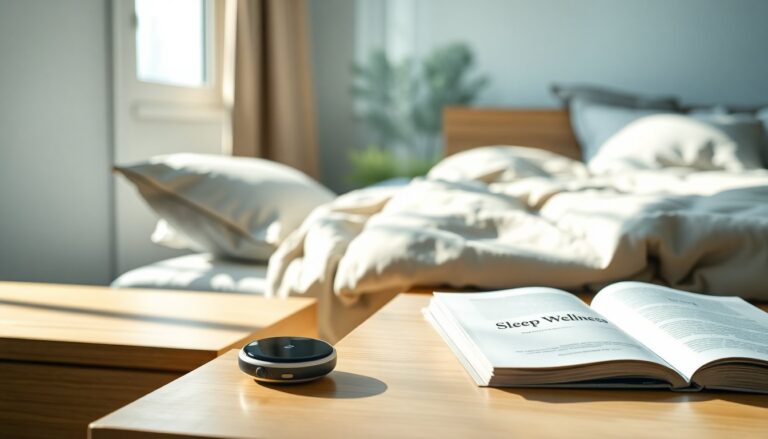
Undiagnosed sleep disorders raise health risks in the UK
In the United Kingdom, a significant number of individuals are grappling with undiagnosed sleep disorders that considerably increase their risk of heart attacks and strokes. The AcuPebble SA100, an innovative device, may soon become essential for accurately diagnosing these conditions.
This compact, wearable gadget attaches to the neck and monitors breathing patterns associated with obstructive sleep apnoea (OSA), a disorder affecting approximately eight million people in the UK.
Understanding obstructive sleep apnoea
Obstructive sleep apnoea occurs when the muscles in the throat relax excessively during sleep, leading to airway blockage.
This condition disrupts normal breathing patterns, often resulting in loud snoring, difficulty breathing, and episodes where breathing stops temporarily, followed by gasps for air. The brain responds by pulling the person out of deep sleep to restore airflow, causing fragmented sleep and reduced oxygen levels.
The implications of OSA extend beyond mere discomfort. It can increase the risk of serious health issues, including cardiovascular diseases, lung cancer, and kidney problems. Timely diagnosis is essential, as many individuals are unaware of their condition and may dismiss symptoms like daytime fatigue as a natural part of aging.
AcuPebble’s potential impact
Next week, the British Sleep Society conference in Brighton will present findings from a significant trial that may support the broader implementation of AcuPebble within the National Health Service (NHS). Although it received approval from the National Institute for Health and Care Excellence (NICE) in December, its usage remains limited, with only a handful of NHS Trusts currently offering it to patients.
Many healthcare facilities still depend on traditional overnight sleep studies, which require hospital stays and lead to delays in receiving results. This practice exposes patients to immediate risks, such as fatigue-related driving accidents, and long-term health issues linked to untreated sleep apnoea.
Expert insights on the technology
Professor Esther Rodriguez Villegas, founder and CEO of Acurable, voiced optimism about the integration of AcuPebble into the National Health Service (NHS). She said, “AcuPebble’s successful implementation in select NHS settings demonstrates the potential for systemic change in sleep disorder diagnosis.” However, she stressed that this progress should extend beyond a few pioneering teams, asserting that all patients deserve access to such innovative solutions.
Research published in the BMJ indicates that AcuPebble’s effectiveness closely mirrors that of conventional sleep studies. Its true advantage, however, lies in its scalability. The device could identify individuals at risk who may not even realize they have sleep apnoea. Common symptoms, such as frequent nighttime urination and morning headaches, may serve as warning signs.
Identifying at-risk populations
Professor Villegas emphasizes the potential of AcuPebble to improve early detection among high-risk populations, including individuals with obesity, hypertension, type 2 diabetes, and postmenopausal women. Although this method is not yet widely adopted, the technology could significantly enhance patient outcomes if applied thoughtfully.
Professor John Stradling, a sleep apnea expert from the University of Oxford, notes that while AcuPebble may lack the accuracy of traditional sleep studies, its cost-effectiveness and capacity to screen a larger patient base offer considerable advantages. Experts estimate that nearly half of those with obstructive sleep apnea (OSA) remain undiagnosed, often due to insufficient awareness of their condition.
Symptoms and solutions for sleep apnoea
Many older adults may overlook symptoms of obstructive sleep apnoea (OSA), mistakenly attributing them to the natural aging process. However, if these symptoms disrupt daily life, it is crucial to seek medical advice. Common signs include persistent fatigue, daytime drowsiness, and disruptive snoring that can force partners into separate sleeping arrangements.
At present, there are no approved medications specifically targeting sleep apnoea. Instead, treatment typically relies on continuous positive airway pressure (CPAP) machines, which can be uncomfortable and may lead to compliance challenges for many users. Lifestyle modifications, such as reducing alcohol intake, quitting smoking, and adhering to a balanced diet, can also help lessen the condition’s severity. Notably, excess weight is a major risk factor; research shows that individuals with a body mass index (BMI) over 40 are particularly vulnerable to OSA.
The future of sleep apnoea treatment
Professor Stradling identifies a neck circumference exceeding 17 inches as a significant risk factor for obstructive sleep apnoea (OSA). He notes that weight loss can frequently resolve the condition. A notable advancement in this field is the emergence of weight-loss injections, which may significantly reduce the incidence of sleep apnoea diagnoses in the coming years. By raising awareness and adopting innovative technologies such as AcuPebble, the healthcare sector can make substantial progress in addressing this prevalent health issue.
