

Understanding DISH: Implications and Effective Management Strategies Explore the multifaceted implications of Diffuse Idiopathic Skeletal Hyperostosis (DISH) and discover comprehensive strategies for effectively managing its symptoms. This guide delves into the condition's impact on overall health and well-being, offering insights into prevention, treatment options, and lifestyle adjustments to enhance quality of life. Stay informed and proactive in addressing DISH with our expert...
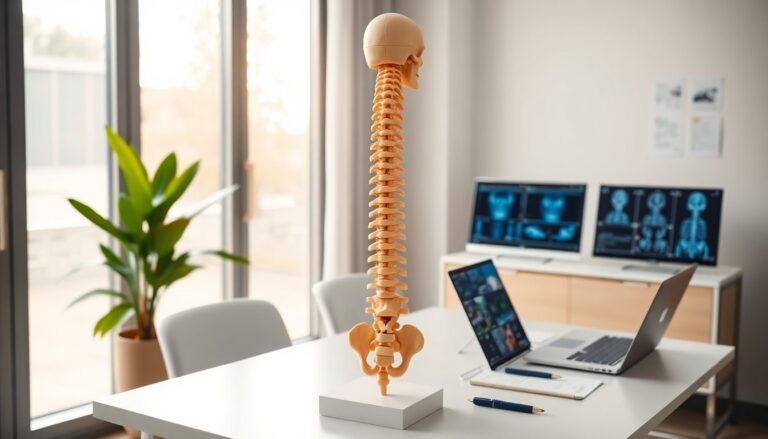
For over two decades, many individuals have endured significant discomfort from back pain, only to discover that they may be suffering from a condition known as DISH, or diffuse idiopathic skeletal hyperostosis. This article provides a comprehensive overview of DISH, including its causes, symptoms, and treatment options.
What is DISH?
DISH is a form of arthritis characterized by abnormal bone growth, which manifests as spurs at various locations throughout the body. It primarily affects the spine but can also impact the knees, shoulders, and elbows. As the condition progresses, the ligaments connecting bones may become calcified and rigid, leading to a range of mobility issues.
The development of DISH is gradual, and the precise cause remains under investigation. Genetic predisposition appears to play a role, and certain occupational factors, such as prolonged manual labor, may contribute to its onset. Additionally, exposure to substances like fluoride and excessive vitamin A may also be implicated, although these connections are not fully understood.
Symptoms associated with DISH
Individuals with DISH often report experiencing pain in their back, neck, or chest, accompanied by a noticeable reduction in flexibility. A common complaint is morning stiffness, with approximately 80% of patients finding their spines particularly rigid after a night of rest. This stiffness is thought to stem from prolonged periods of immobility, which can hinder joint lubrication.
Challenges with swallowing
Another less commonly discussed symptom is difficulty swallowing. This occurs when abnormal bone growth in the neck exerts pressure on the upper part of the oesophagus, the passage that transmits food from the throat to the stomach. This can lead to discomfort and additional complications during meals.
Management and treatment options
The primary approach to managing DISH involves physiotherapy, which aims to maintain mobility and promote beneficial changes in the body’s chemistry. Through consistent movement and targeted exercises, physiotherapy can counteract the processes contributing to the formation of bone spurs.
In addition to physical therapy, many patients find relief through the use of painkillers and anti-inflammatory medications, such as ibuprofen, which can help alleviate symptoms and improve quality of life.
High blood sugar concerns
Shifting gears, this article discusses another health concern: elevated blood sugar levels. Many people, including those who lead active and healthy lifestyles, struggle with high blood sugar readings. Understanding the implications is crucial.
For example, a reading of 42 on the HbA1c scale indicates a slightly elevated average blood glucose level. This measurement reflects average blood sugar levels over the past eight to twelve weeks, offering a clearer picture than a standard blood test, which provides only a momentary glimpse.
The role of genetics and lifestyle factors
Despite one’s dedication to a healthy lifestyle, factors such as genetics can significantly influence blood sugar levels. As individuals age, particularly after 50, the body’s ability to produce insulin may diminish, leading to higher glucose levels. Additionally, medications like statins, prescribed for high cholesterol, can slightly increase the risk of developing type 2 diabetes, although the overall benefits of statins generally outweigh this risk.
DISH is a form of arthritis characterized by abnormal bone growth, which manifests as spurs at various locations throughout the body. It primarily affects the spine but can also impact the knees, shoulders, and elbows. As the condition progresses, the ligaments connecting bones may become calcified and rigid, leading to a range of mobility issues.0
DISH is a form of arthritis characterized by abnormal bone growth, which manifests as spurs at various locations throughout the body. It primarily affects the spine but can also impact the knees, shoulders, and elbows. As the condition progresses, the ligaments connecting bones may become calcified and rigid, leading to a range of mobility issues.1
