

Women now have free access to the morning-after pill at pharmacies, enhancing the accessibility and convenience of reproductive healthcare services.
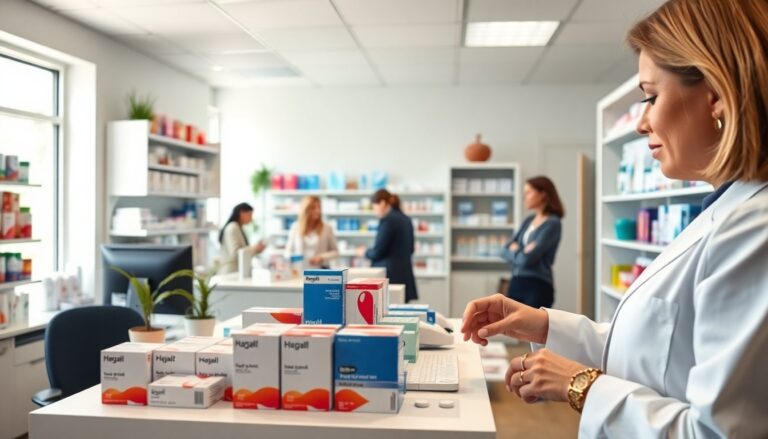
New initiative improves access to emergency contraception
The National Health Service (NHS) has launched a program that allows women to obtain the morning-after pill without a doctor’s appointment. This reform is part of a comprehensive effort to enhance sexual health services across England.
Starting immediately, nearly 10,000 pharmacies will offer this essential medication free of charge, representing a significant advancement in reproductive healthcare.
This new policy enables women to access emergency contraception directly from pharmacies, removing previous barriers that required consultations with general practitioners or visits to sexual health clinics.
This initiative is considered the most substantial change in sexual health services since the 1960s and is anticipated to greatly improve women’s access to vital healthcare resources.
Expanded pharmacy services
The NHS’s expansion includes a range of services beyond just the morning-after pill.
Individuals beginning treatment with antidepressants can now consult their local pharmacists for additional support and information about their medications. This initiative aims to improve health outcomes and provide patients with guidance in a familiar setting.
Furthermore, community pharmacies have recently broadened their offerings to include consultations for the oral contraceptive pill. This allows women to initiate or continue their contraceptive methods directly through local pharmacies. Such services enhance accessibility to preferred contraceptive options for women, making it easier for them to manage their reproductive health.
Benefits of local access
Dr. Sue Mann, the NHS National Clinical Director in Women’s Health, describes the new initiative as a significant advancement in reproductive healthcare accessibility. Women can now obtain the oral emergency contraceptive pill directly from pharmacies, eliminating the need for appointments. This approach is crucial as it allows women to discuss their concerns in a private environment with trained pharmacy professionals.
With about 80% of the population residing within a 20-minute walk of a pharmacy, this service aligns with the NHS’s goal of embedding healthcare services within local communities. Minister for Care Stephen Kinnock reinforced this viewpoint, noting the importance of dismantling barriers to reproductive healthcare and enhancing the role of pharmacies within local health systems.
Supporting mental health and well-being
Pharmacies are expanding their roles by providing support for patients prescribed antidepressants. Those collecting prescriptions can engage in discussions about their medication, gaining important insights into its effects. This initiative aims to create a more informed treatment experience. Additionally, patients have the option to schedule follow-up conversations with pharmacists to address any questions or concerns that may arise.
Community pharmacies employ knowledgeable health professionals ready to assist with a range of health issues, from emergency contraception to lifestyle modifications for improved mental health. This comprehensive approach not only alleviates the workload for general practitioners but also enhances the quality of care available in community settings.
Community impact and future initiatives
The introduction of the free morning-after pill is part of a broader strategy, supported by a funding increase of £617 million over two years aimed at community pharmacies. This investment enhances existing services and fosters the development of new ones. Initiatives such as free blood pressure checks for individuals over 40 and smoking cessation programs are being rolled out in pharmacies throughout the region.
Additionally, community pharmacies are taking on a greater role in NHS vaccination programs, offering vital vaccinations for both flu and COVID-19. Janet Morrison, Chief Executive of Community Pharmacy England, praised the launch of emergency contraception services. She underscored the positive response to similar initiatives and the need for consistent access to these services for women across the country.
By creating an environment where individuals feel empowered to seek care within their communities, the NHS is setting the stage for a healthier future.
