

Acquire vital expertise and insights to excel in a successful career in sports rehabilitation and conditioning.
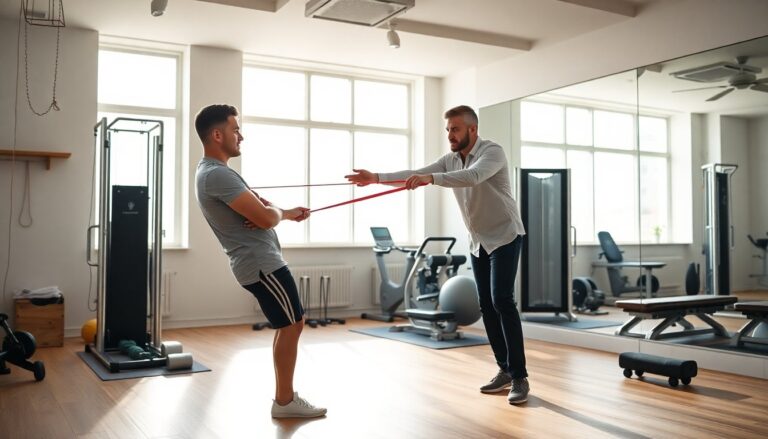
The field of sport rehabilitation and conditioning is vital for enhancing athletic performance and preventing injuries. As the need for skilled professionals in this area grows, academic programs are adapting to provide students with essential tools for success. This article explores the key elements of pursuing a degree in this dynamic field, focusing on practical applications and career opportunities for graduates.
Academic foundations in sport rehabilitation
Students pursuing a BSc in Sport Rehabilitation and Conditioning engage in a comprehensive curriculum that balances theoretical knowledge with practical skills. The program covers crucial topics such as biomechanics, exercise physiology, and injury prevention strategies.
By combining research-informed practices with hands-on training, students develop a robust understanding of how to assess and address sports-related injuries.
Practical experience and skill development
A significant component of the degree is the focus on practical learning.
Students are encouraged to participate in workshops, internships, and real-world scenarios that reflect the challenges faced by professionals in the field. This experiential learning not only enhances their technical skills but also nurtures critical thinking and problem-solving abilities. Graduates emerge well-prepared to navigate the complexities of sports rehabilitation.
Career opportunities in the sports industry
The career landscape for those with a degree in sport rehabilitation and conditioning is both diverse and expanding. Graduates can pursue roles as sport rehabilitation specialists, conditioning coaches, or in positions focused on injury management and prevention. The versatility of this degree enables professionals to work in various settings, including sports teams, fitness centers, and rehabilitation clinics.
Impact on athlete performance
One of the most rewarding aspects of working in this field is the direct impact on athlete performance and health. Professionals utilize their expertise to develop tailored training programs that enhance physical capabilities while minimizing injury risks. This proactive approach contributes not only to the longevity of an athlete’s career but also promotes overall well-being.
Additionally, with growing awareness of mental health in sports, graduates can explore roles that integrate sport psychology with rehabilitation strategies. This holistic perspective on athlete care is increasingly valued in modern sports environments.
Research and further education opportunities
For those looking to deepen their knowledge and expertise, pursuing further education or engaging in research presents valuable opportunities. Many institutions offer master’s programs that focus on specialized areas within sports science, allowing individuals to explore specific topics such as exercise science or sports technology.
Research initiatives in fields like biomechanics and sports psychology are gaining traction, providing professionals the chance to contribute to the body of knowledge that shapes best practices in rehabilitation and training. Engaging in research can lead to innovative solutions that enhance athlete performance and recovery.
A degree in sport rehabilitation and conditioning paves the way for a fulfilling career dedicated to improving athletic performance and health. With a strong emphasis on practical experience and a wide range of career paths, graduates are well-equipped to make a significant impact in the sports industry. Whether through direct athlete interaction or research contributions, the opportunities to influence the future of sports science are plentiful.
