

Wales vs. South Africa: Key Player Absences Impacting Team Prospects As Wales gears up to compete against South Africa, the team’s chances are significantly affected by the absence of several pivotal players. This situation raises concerns about their overall performance and strategy in the upcoming match.
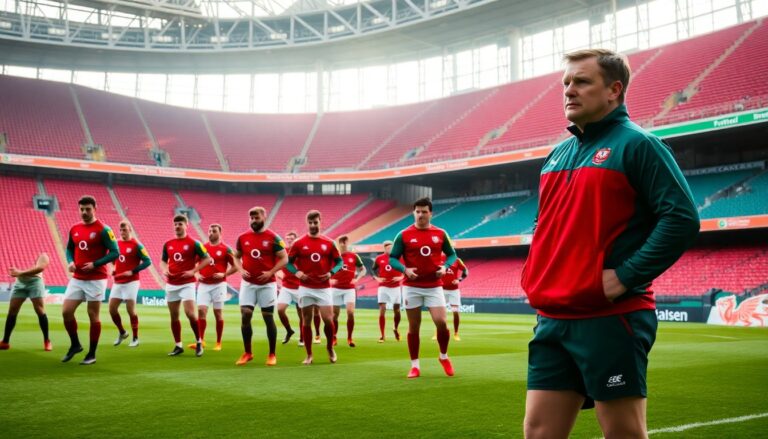
Wales prepares for crucial rugby match against South Africa
Wales is preparing for a pivotal rugby match against South Africa on November 29. This highly anticipated encounter is overshadowed by the absence of several key players who are committed to their clubs outside of Wales.
Head coach Steve Tandy faces the challenging task of assembling a competitive squad for this important fixture at the Principality Stadium.
Player unavailability challenges Wales
The upcoming match is set to take place outside the designated international window established by World Rugby.
Consequently, players from Welsh regions currently competing in other leagues, including those with Gloucester, Saracens, and Bath, will not be released for national duty. This situation sees the absence of notable players such as Louis Rees-Zammit from Bristol and Dafydd Jenkins from Exeter.
Wales’ available talent pool is significantly reduced, compelling coach Tandy to consider uncapped players. The anticipated lineup may include promising talents like Brodie Coghlan from Dragons and James Fender from Ospreys. However, the timing of this match coincides with the United Rugby Championship games, creating further complications regarding player availability.
Concerns from former players
Richie Rees, a former international player, has voiced his skepticism about the decision to proceed with the upcoming match. He raised concerns that fielding a significantly weakened team against the reigning world champions could adversely affect Welsh rugby as a whole. “We need to consider whether playing this match serves a greater purpose or if it ultimately hinders our progress,” he stated during a discussion on Scrum V.
Rees’ remarks reflect a wider debate within the sport regarding the balance between competitive integrity and the welfare and development of players. The former Cardiff coach warned that by going ahead with this fixture, Wales risks not only the immediate outcome but also the long-term development of its players.
Red card controversy in international rugby
The rugby community is currently engaged in intense discussions following an incident involving Ireland’s Tadhg Beirne during a match against New Zealand. The game concluded with a score of 26-13 in favor of New Zealand. Beirne received a red card early in the match after a review elevated his initial yellow card for a tackle considered dangerously high. This decision has led to significant backlash from fans and analysts, who are questioning the consistency and enforcement of the rules.
Former Wales captain Sam Warburton commented on the matter, arguing that the offense did not justify such a severe penalty. Additionally, Beauden Barrett, the player involved in the tackle, expressed his regret for Beirne, emphasizing that the incident was not a deliberate act of foul play.
Lessons for Ireland moving forward
Following the match, Ireland’s head coach Andy Farrell analyzed the team’s performance, identifying key moments where lapses in concentration resulted in missed opportunities. “We were leading the game until those critical moments of mental lapses,” he noted, stressing the importance of maintaining focus during high-stakes matches.
As Ireland prepares for upcoming fixtures against teams such as Japan and Australia, it is evident that addressing these issues will be crucial for their success in the remaining Autumn Internationals.
The significance of the Autumn Internationals
The Autumn Internationals represent a crucial moment in the rugby calendar. This series unites teams from the Six Nations and Rugby Championship, setting the stage for intense competition. Although no trophy is at stake, each match is an opportunity to assert dominance and refine strategies against a variety of international opponents.
Wales faces a pivotal moment as they seek to improve upon last autumn’s disappointing results. The upcoming match against South Africa poses both a formidable challenge and an opportunity for emerging players to demonstrate their capabilities on an international platform.
