

Humanitarian Crisis in El-Fasher: Rapid Support Forces Allegedly Digging Mass Graves Amid Escalating Violence El-Fasher is currently grappling with a severe humanitarian crisis, characterized by reports of the Rapid Support Forces engaging in the excavation of mass graves. This alarming development comes in the wake of intensifying violence in the region, further exacerbating the suffering of the local population. Immediate attention and intervention are required to address the escalating...
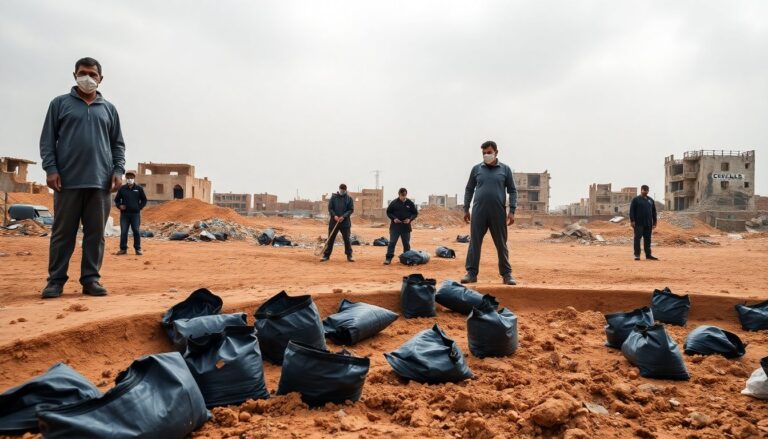
The situation in el-Fasher, the capital of North Darfur, has escalated dramatically following the takeover by the Rapid Support Forces (RSF). Nathaniel Raymond, an expert from Yale University’s Humanitarian Research Lab, reports that the RSF has begun excavating mass graves in the city, which has recently experienced horrific violence and mass displacement.
Raymond noted that the RSF is actively collecting bodies throughout el-Fasher. He described this action as an attempt to “clean up the massacre” that has unfolded since their control began on October 26. This takeover coincided with the withdrawal of the Sudanese Armed Forces (SAF), who have been engaged in a prolonged conflict with the RSF since April of this year.
Humanitarian crisis deepens
Following the RSF’s violent takeover, more than 70,000 individuals have fled el-Fasher and its surrounding areas, according to the United Nations. Eyewitness accounts and reports from human rights organizations reveal a disturbing trend of summary executions, sexual violence, and widespread massacres aimed at civilians.
Evidence of atrocities
A report from Yale’s Humanitarian Research Lab, released on October 28, revealed visible pools of blood in satellite imagery, suggesting that mass killings have occurred since the RSF took control. UN officials have raised serious concerns, stating that many residents remain trapped in el-Fasher, facing severe shortages of essential supplies.
Jacqueline Wilma Parlevliet, a senior official from the UN refugee agency (UNHCR) in Sudan, highlighted the grave situation: “The ongoing insecurity is obstructing access, hindering the provision of life-saving assistance to individuals stranded in the city without adequate food, water, or medical care.”
Impact of the RSF’s takeover
Sudanese journalist Abdallah Hussain provided insights into the challenging conditions in el-Fasher. He remarked that before the RSF’s complete takeover, the city was already enduring an 18-month blockade imposed by the RSF, which severely limited access to humanitarian aid and healthcare services.
“No aid was permitted to enter el-Fasher, and healthcare facilities were non-operational,” Hussain explained during a conversation with Al Jazeera from Khartoum. “The situation is now deteriorating even further for those who are still trapped within the city.”
Denial and calls for accountability
Despite growing international condemnation, the Rapid Support Forces (RSF) and its allies have attempted to deflect blame for the atrocities committed in el-Fasher. They often accuse other armed groups of being responsible. RSF leader Mohamed Hamdan Dagalo, commonly known as Hemedti, has pledged to conduct an investigation into the events surrounding their takeover.
However, experts express skepticism regarding the RSF’s ability to conduct a fair investigation. Raymond stated, “If they genuinely wish to investigate, they must first withdraw from the city and allow UN personnel, the Red Cross, and humanitarian organizations to enter and assess the situation through house-to-house checks for survivors.”
Urgent need for humanitarian assistance
Humanitarian crisis escalates in Gaza
Raymond emphasized that, according to available data, the number of lives lost in just ten days under the control of the RSF may surpass those lost during two years of conflict in Gaza. He stressed the gravity of the humanitarian crisis, stating, “This is not an exaggeration; thousands urgently require emergency support.”
Since October 7, over 68,000 Palestinians have reportedly died due to the ongoing conflict in Gaza. This statistic underscores the critical need for humanitarian intervention across multiple regions. The situation in el-Fasher highlights the fragile nature of peace and the urgent call for global action against human rights violations.
