

Understanding the Impact of Tariffs on the Economic Landscape and Consumer Choices Explore the crucial role tariffs play in shaping economic environments and their direct influence on consumer behavior.
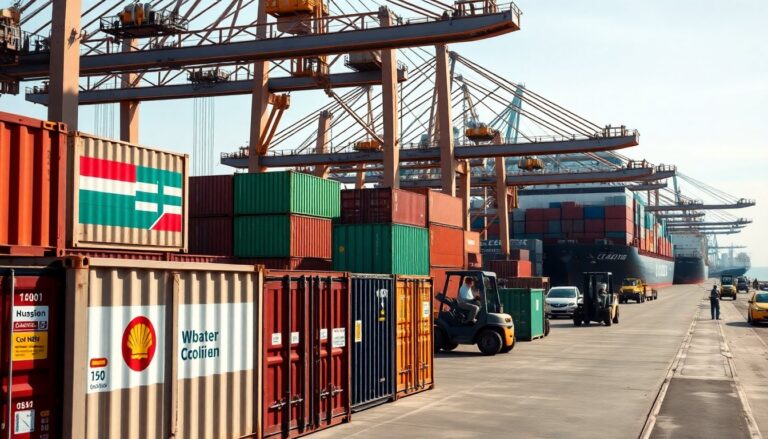
The world of international trade is significantly influenced by tariffs, taxes imposed on goods imported into a country. These tariffs can profoundly affect both the economy and consumers. As nations negotiate trade policies, understanding the implications of these taxes is essential for assessing their broader economic impact.
In recent years, particularly during the Trump administration, the United States experienced an increase in tariff rates on a variety of imports. This shift has ignited considerable debate regarding the advantages and disadvantages of such policies, raising concerns about their long-term viability and economic ramifications.
Analyzing the economic impact of tariffs
When tariffs are implemented, they often result in an immediate increase in the costs associated with imported goods. Estimates indicate that the average tariff rate in the U.S. rose from approximately 1.5 percent to as high as 18.2 percent due to new trade policies.
This rise is significant, as it directly impacts the prices consumers pay for various products.
As businesses encounter higher costs from tariffs, these expenses are typically passed on to consumers, leading to increased prices. Consequently, tariffs can contribute to a rise in the overall cost of living, diminishing household purchasing power. On average, the taxes linked to tariffs are projected to increase household expenses by about $1,200 annually.
Long-term effects on GDP and employment
Long-term analyses of tariffs suggest a potential decrease in Gross Domestic Product (GDP). For instance, the implementation of certain tariffs has been linked to a reduction in U.S. GDP by approximately 0.8 percent. This decline can be attributed to decreased trade volumes and diminished consumer spending power.
Additionally, tariffs may lead to job losses as companies contend with increased operational costs and lower demand. This situation could result in a decrease in full-time employment, further straining the economy. Estimates indicate a potential loss of around 142,000 jobs due to the consequences of these trade barriers.
The interplay of tariffs and government revenue
While tariffs are often criticized for their negative effects on the economy, they can also represent a significant source of government revenue. For example, tariffs collected have reached approximately $174 billion in a single fiscal year. This revenue is vital for funding government programs and initiatives.
However, the relationship between tariffs and revenue is intricate. As the economy slows due to higher prices and reduced consumer demand, overall tax revenues may eventually decline. This complexity illustrates that while tariffs might provide a short-term financial boost for the government, their long-term economic consequences can undermine this advantage.
The role of consumer behavior and market dynamics
Consumer behavior is crucial in determining the effects of tariffs on the economy. As prices increase, consumers may modify their purchasing habits, opting for less expensive alternatives or cutting back on consumption altogether. Such changes can lead to significant shifts in market dynamics, impacting both domestic and international businesses.
Furthermore, retaliatory tariffs imposed by other countries can create a cycle of escalating trade barriers, adding further complications to the economic landscape. These actions can lead to decreased exports, negatively affecting domestic industries reliant on international markets.
Navigating the complexities of tariffs
In recent years, particularly during the Trump administration, the United States experienced an increase in tariff rates on a variety of imports. This shift has ignited considerable debate regarding the advantages and disadvantages of such policies, raising concerns about their long-term viability and economic ramifications.0
