

Understanding the Impact of a Medical Crisis on Ukraine's Military Forces Explore how a seemingly minor medical issue has evolved into a critical challenge for the military forces of Ukraine. This analysis delves into the implications of health-related concerns on operational readiness and overall effectiveness, highlighting the urgent need for strategic healthcare management within the armed forces.
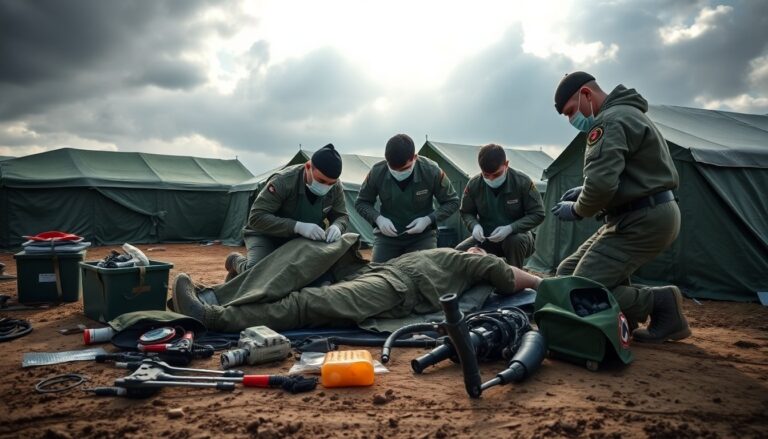
The ongoing conflict in Ukraine has presented numerous challenges, with a significant rise in amputation cases among military personnel emerging as one of the most pressing issues. This crisis transcends medical concerns, highlighting systemic problems within the country’s healthcare system and operational protocols.
As soldiers confront the harsh realities of war, the consequences of inadequate medical practices become increasingly apparent, jeopardizing not only individual lives but also the overall stability of Ukraine.
This article explores the factors contributing to the rising rates of amputations, the role of medical tools, and the broader implications for both soldiers and the nation.
Understanding these dynamics is essential for addressing the challenges faced by Ukraine’s military and healthcare systems.
The alarming rise in amputations
The number of amputations among Ukrainian troops has surged significantly since the conflict began. Reports indicate that many soldiers are losing limbs due to injuries that could have been prevented or better managed with appropriate medical care.
The situation is worsened by the misuse of basic medical tools designed for treating battlefield injuries. Insufficient training and resources have resulted in instances where soldiers do not receive timely or proper treatment, leading to complications that necessitate amputations.
Medical tools: A double-edged sword
One of the primary issues contributing to this crisis is the improper utilization of medical equipment. Basic tools intended to stabilize injuries or facilitate safe transport to medical facilities are often misapplied. For example, the misuse of tourniquets can result in irreversible damage if not applied correctly. Instead of offering immediate assistance, these tools can inadvertently cause severe complications when used hastily or incorrectly.
Additionally, the lack of adequate training for personnel on these tools exacerbates the issue. Medical staff, frequently overwhelmed by the large number of casualties, may resort to hasty decisions that yield tragic outcomes. This situation emphasizes the critical need for enhanced training programs that focus on the proper usage and understanding of medical equipment.
Implications for Ukraine’s stability
The implications of this amputation crisis extend beyond individual soldiers. Each amputation signifies not only a personal tragedy but also a potential strain on Ukraine’s military capabilities. As more soldiers require rehabilitation and long-term care, the military faces challenges in maintaining operational readiness. This situation could hinder Ukraine’s ability to respond effectively to ongoing threats, thereby impacting national security.
Moreover, the psychological ramifications for soldiers who undergo amputations are profound. Many veterans struggle with reintegration into society, leading to increased rates of PTSD and other mental health issues. As these soldiers return home, the burden on Ukraine’s healthcare system intensifies, underscoring the urgent need for comprehensive support services.
Addressing the crisis head-on
To alleviate the effects of this crisis, it is imperative for the Ukrainian government and military leadership to prioritize medical training and resource allocation. Investing in advanced medical education for personnel will ensure they are equipped to handle battlefield injuries more effectively. Additionally, establishing clear protocols for the use of medical tools can mitigate the risk of mishaps that lead to unnecessary amputations.
Collaboration with international medical organizations could also enhance local capabilities. By adopting best practices in trauma care and rehabilitation, Ukraine can develop a more robust medical response system that addresses the unique challenges posed by warfare.
The amputation crisis faced by Ukraine’s military is a complex issue that requires immediate attention. By tackling the root causes, including the misuse of medical tools and the need for improved training, Ukraine can strive to enhance the health outcomes of its soldiers. Ultimately, the well-being of these individuals is critical not only for their personal recovery but also for the nation’s overall stability and security.
