

Diving into the uncomfortable truths about climate change that many hesitate to address.
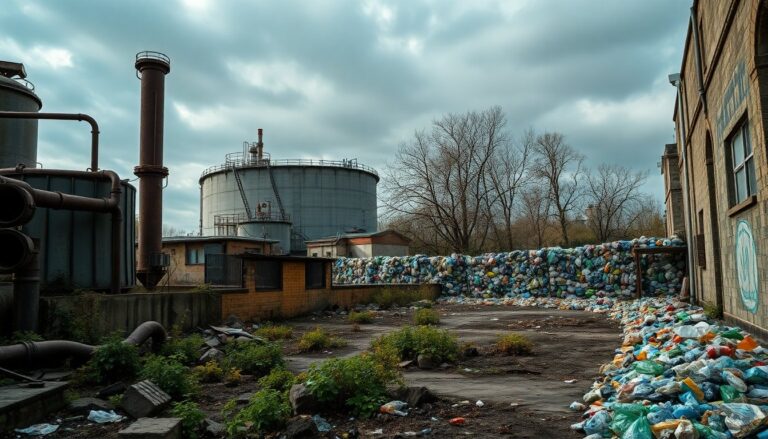
The forgotten truth about climate change and its real impact
Let’s tell the truth: many are weary of the same alarmist narratives surrounding climate change. The emperor has no clothes, and I’m telling you: it is not solely the fossil fuel industry that is under scrutiny, but also our perceptions and reactions to this crisis.
Uncomfortable facts and statistics
According to data from the Global Carbon Project, global CO2 emissions have increased by over 60% since 1990. Projections indicate that the growth of renewable energy sources is finally beginning to counteract this trend. Yes, renewable energy is on the rise, but it is not enough to halt the increase in global temperatures.
Counter-narrative analysis of the situation
I know it’s not popular to say, but much of the rhetoric surrounding climate change overlooks a crucial fact: climate change has always been part of Earth’s history. Temperatures have fluctuated over time, and while we are indeed in a warming period now, humanity has continually adapted to changing conditions.
Moreover, while we focus on carbon and methane, we often lose sight of other pollutants like black carbon, which has an immediate and devastating impact on warming. The reality is less politically correct: we must address pollution more holistically, rather than simply demonizing traditional energy sources.
Challenging conclusions that prompt reflection
Let’s tell the truth: as we strive for our shared home, we must acknowledge that no simple solution exists. The transition to a sustainable future cannot rely solely on demonizing certain sectors or idealizing others. We must confront difficult questions and face uncomfortable truths.
A call for critical thinking
I know it’s not popular to say, but are we truly ready to see the full picture of climate change, or do we prefer to stay in our comfort zones, accepting only what we are told? The answer to this question could shape our future.
