

UK Government's Electric Vehicle Charge: Impact on Green Transport Transition The UK government's initiative to implement a charge on electric vehicles (EVs) raises concerns about its fairness and potential repercussions on the shift towards sustainable transportation. This policy could deter consumers from adopting electric vehicles, ultimately hindering progress in green transport initiatives.
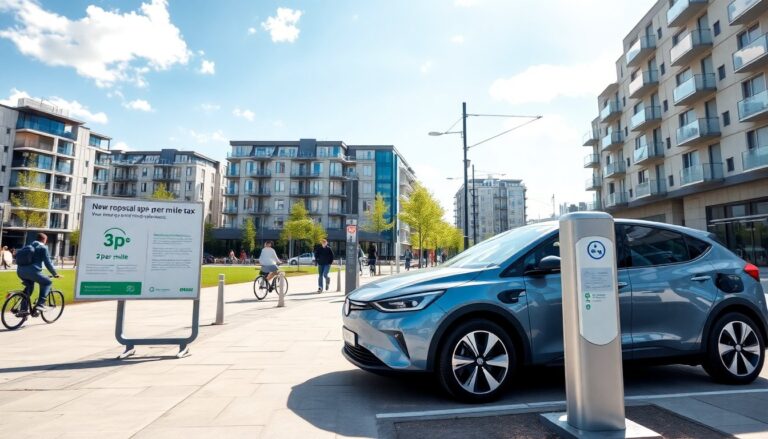
The UK government plans to introduce a 3p per mile charge for electric vehicles (EVs) in the upcoming Budget announcement by Chancellor Rachel Reeves. This proposal is expected to be unveiled on November 26 and could come into effect in 2028, pending a consultation period.
Reports indicate that this initiative may result in an annual cost of around £250 for the average EV driver. This potential charge has raised significant concerns among motoring organizations regarding its fairness and the impact it may have on EV adoption.
Understanding the implications of the proposed charge
The introduction of a per mile fee for electric vehicles (EVs) arises as the Treasury addresses declining revenues from traditional fuel duties. With a growing number of drivers choosing electric over petrol or diesel vehicles, the government seeks methods to recover lost income.
Edmund King, president of the Automobile Association (AA), has raised concerns about the potential effects of this decision. He noted that while it is clear the Treasury’s fuel duty revenue is decreasing due to the shift towards electric vehicles, the government must be careful not to obstruct the progress of this transition.
Historical context and public reaction
The phrase poll tax on wheels has emerged in discussions about the proposed charge for electric vehicles (EVs). This term evokes memories of the controversial fixed tax implemented by Margaret Thatcher’s government in the late 1980s, which sparked widespread protests across the UK. King has stressed the importance of providing thorough information regarding the proposed tax. This is crucial to ensure its fairness and to avoid labeling it as a regressive tax that disproportionately affects EV users.
Proposed fee structure for electric vehicle users
Under the proposed system, electric vehicle (EV) users would need to estimate their driving distances for the upcoming year. This estimate would result in an additional payment on top of the existing vehicle excise duty (VED). Should a driver exceed their estimated mileage, they would incur extra charges. Conversely, if they drive fewer miles than estimated, a portion of the prepaid amount could be credited towards the following year’s fees. For instance, a journey from London to Edinburgh would incur a charge of approximately £12, while a trip between Cambridge and Bristol would cost around £5.
Concerns from industry leaders
Industry experts have expressed concerns about the government’s inconsistent messaging regarding the transition to electric vehicles. Ginny Buckley, chief executive of Electrifying.com, criticized the proposal, arguing that it undermines the government’s efforts to promote EV adoption. She emphasized that introducing new taxes could discourage potential EV drivers who were motivated to switch based on anticipated savings and benefits. Buckley noted that many EV drivers already encounter higher costs per mile when using public charging stations, particularly those who cannot charge at home.
The need for comprehensive reform
Stakeholders agree that the current system for charging vehicle usage needs significant reform. Tanya Sinclair, chief executive of Electric Vehicles UK, emphasized the necessity for the government to conduct thorough consultations. She stated that designing a system that effectively communicates with the public may require more time than expected.
The recent removal of the exemption from Vehicle Excise Duty (VED) for electric vehicles adds complexity for EV drivers. Many may feel that these changes create an unfair burden. The government’s strategy for reforming vehicle usage fees must strike a balance between generating revenue and promoting the wider adoption of electric vehicles to achieve environmental objectives.
As discussions about the proposed charges progress, it is essential for the government to consider input from both industry leaders and consumers. This approach will help establish a fair and effective system that supports the transition to a greener transport future.
