

Natural England's New Strategy: Integrating Ecological Restoration with Economic Growth Discover the innovative strategy developed by Natural England, designed to harmonize ecological restoration efforts with economic advancement. This initiative aims to promote sustainable development while fostering biodiversity and enhancing natural habitats. By bridging the gap between environmental health and economic prosperity, this strategy sets the foundation for a resilient and thriving ecosystem...
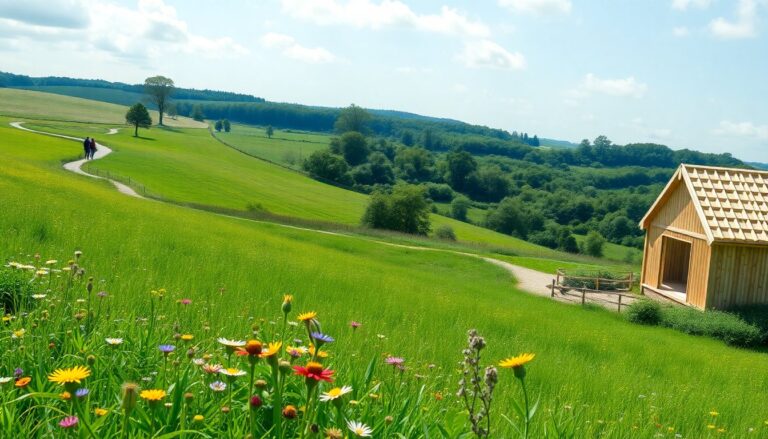
Natural England launches strategy to support ecological recovery and economic growth
On November 6, Natural England unveiled an ambitious strategy titled “Recovering Nature for Growth, Health and Security”. This initiative aims to foster ecological recovery across various landscapes while also promoting economic growth, infrastructure development, and housing projects.
The link between a thriving natural environment and a strong economy is gaining recognition. The strategy highlights that healthy ecosystems play a crucial role in ensuring national security, economic stability, and public health. For example, the peatlands in England are estimated to provide water filtration services valued at approximately £888 million each year.
Additionally, green spaces contribute an impressive £25.6 billion annually in benefits related to improved mental and physical health.
Shifting towards a comprehensive approach
This strategic framework outlines a vision for incorporating nature-based solutions into future planning and investment practices.
It signifies a critical shift from isolated interventions to expansive recovery efforts across entire landscapes and seascapes. This holistic method aims to provide substantial benefits not only for wildlife but also for local communities.
Natural England emphasizes, “Nature is the cornerstone of our health, security, and economic growth. The threats we face in the natural world directly impact our quality of life.” The pressing environmental crisis calls for a reevaluation of our strategies, encouraging heightened ambition and collaborative efforts to promote nature’s recovery.
Unlocking the potential of nature
Natural England’s strategy highlights a significant opportunity to leverage the power of nature in achieving national goals related to economic growth, public health, and security. Numerous successful initiatives are already in place across the country, showcasing effective partnerships that span various regions—from the agricultural fields of Lincolnshire to the heathlands of Surrey, and from the vital wetlands of Dorset to the uplands of the Pennines.
These collaborative efforts are yielding a range of benefits for both communities and wildlife. “While time is of the essence, we can shift the narrative from decline to recovery through ambition, partnerships, and collective action,” emphasizes Natural England.
Defining clear outcomes
At the core of this strategy is the emphasis on measurable outcomes rather than just focusing on processes. The four key outcomes identified are:
- Recovering nature—This outcome focuses on restoring natural systems, such as rivers and forests, by tackling the underlying causes of ecological decline and prioritizing large-scale recovery efforts.
- Building better places—This aims to integrate nature into the design of homes and infrastructure from the beginning, which leads to greener and healthier living environments.
- Improving health and wellbeing—Initiatives will be implemented to enhance access to green and blue spaces within communities, collaborating with health and education sectors to maximize the benefits of nature.
- Delivering security through nature—The strategy encourages environmentally sustainable practices in agriculture, forestry, and fishing, ensuring secure access to food, clean water, and enhanced climate resilience.
Empowering local action
For successful outcomes, it’s crucial to focus on streamlined regulations and empower local stakeholders to take initiative. Natural England aims to integrate nature-based solutions into the early planning stages of new housing and infrastructure projects.
Collaboration between the public and private sectors is also highlighted as a vital component for investing in nature. More than 200 partners, including businesses and local governments, contributed to the development of this strategy, underscoring the importance of collective efforts.
Natural England has initiated this approach by becoming the first Lead Environmental Regulator for the Lower Thames Crossing. Looking ahead, tools like Environmental Delivery Plans will be essential in balancing the demand for housing—aiming for 1.5 million new homes—while promoting nature-rich environments.
Commitment to future goals
Natural England serves as the government’s statutory adviser on environmental matters, focusing on guiding the UK in achieving its statutory nature targets. This includes fulfilling international commitments to protect 30% of land and sea by 2030. The strategy announced represents a crucial step in this ongoing effort.
This proactive approach tackles current challenges while laying the groundwork for a future where economic growth aligns with ecological integrity. As Natural England emphasizes, “We are on a path to transform our relationship with nature, ensuring it plays a vital role in our economy for generations to come.”
