

Novo Nordisk and Eli Lilly Announce Innovative Pricing Agreement for Weight-Loss Medications Novo Nordisk and Eli Lilly have established a groundbreaking pricing agreement designed to make weight-loss medications significantly more affordable. This collaboration aims to reduce the cost of these essential treatments to a fraction of their original price, thereby increasing accessibility for individuals seeking effective solutions for weight management.
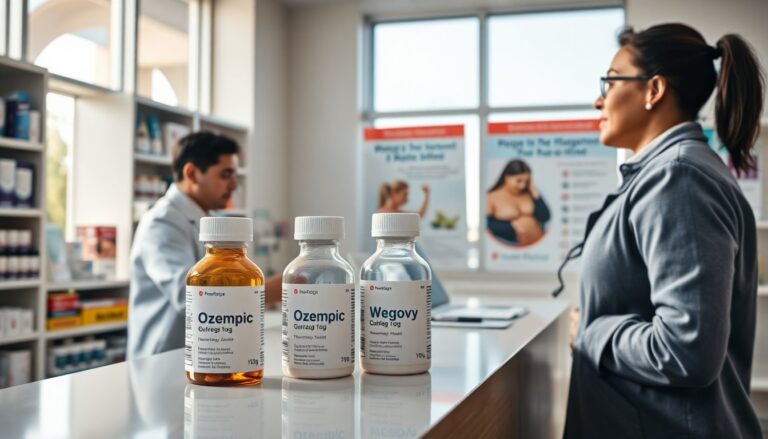
In a significant development for individuals grappling with obesity, Novo Nordisk has announced a partnership to reduce the prices of its widely used weight-loss medications, including Ozempic and Wegovy. This initiative is expected to improve accessibility for millions of Americans seeking effective weight management solutions.
On a recent Thursday, former President Donald Trump unveiled this agreement, which is part of a broader initiative to implement a “most favored nations pricing” model. This strategy aims to ensure that drug prices in the United States do not exceed the lowest prices available globally.
Proponents believe that this shift could transform access to essential medications.
Details of the pricing agreement
As part of the new pricing strategy, the cost of Wegovy will drop significantly from $1,350 to approximately $250 per month before insurance adjustments.
Meanwhile, Zepbound will see a reduction from $1,080 to $346 monthly. Additionally, any future GLP-1 agonists developed will be priced at no more than $149 each month.
This initiative will encompass all medications provided by Novo Nordisk and Eli Lilly, ensuring coverage under Medicare plans across the United States, which will impact around 60 million citizens aged 65 and older.
Implications of the price cuts
While the announcement has been met with enthusiasm from some quarters, healthcare professionals express mixed feelings regarding the implications of these changes. Dr. Stuart Fischer, an internal medicine expert, stated that while more affordable medications could potentially improve obesity rates, the long-term reliance on these drugs raises concerns.
Dr. Fischer noted, “This is a double-edged sword. On one hand, it addresses a critical health crisis, but on the other, weight loss may not be sustainable for many. A significant number of users tend to regain the weight once they discontinue the medication.” Current statistics indicate that up to 75% of individuals using GLP-1 medications may cease treatment within a year.
Future outlook and expert opinions
Pharmacist Dr. Katy Dubinsky expressed her excitement about the potential benefits of reduced prices for patients, highlighting that many who would benefit from these medications previously faced financial barriers. She stated, “This could lead to increased early adoption of these therapies, crucial for managing blood sugar levels and preventing complications related to diabetes.”
However, she cautioned that affordability alone does not resolve all issues, as many individuals may still require long-term treatment. “These are not quick-fix solutions; sustained use is often necessary,” she added.
Broader implications for healthcare policy
The announcement also aligns with the Trump administration’s ongoing efforts to negotiate lower prices for various pharmaceuticals. Following similar agreements with Pfizer, officials indicated that the new pricing model will be a cornerstone of the upcoming TrumpRx initiative, aimed at offering reduced costs for a wide range of medications.
Moreover, the Centers for Medicare and Medicaid Services (CMS) is reportedly developing a pilot program that could cap medication costs for certain beneficiaries, enhancing affordability for older adults facing obesity-related health challenges.
On a recent Thursday, former President Donald Trump unveiled this agreement, which is part of a broader initiative to implement a “most favored nations pricing” model. This strategy aims to ensure that drug prices in the United States do not exceed the lowest prices available globally. Proponents believe that this shift could transform access to essential medications.0
On a recent Thursday, former President Donald Trump unveiled this agreement, which is part of a broader initiative to implement a “most favored nations pricing” model. This strategy aims to ensure that drug prices in the United States do not exceed the lowest prices available globally. Proponents believe that this shift could transform access to essential medications.1
