

Exploring the Impact of Social Dialogue on Player Welfare and Industry Standards in Professional Football Delve into the essential role of social dialogue within the professional football sector, examining its significant influence on player welfare and the establishment of industry standards. This analysis highlights the critical relationship between communication, collaboration, and the overall well-being of athletes, showcasing how effective dialogue can drive positive changes in policies...
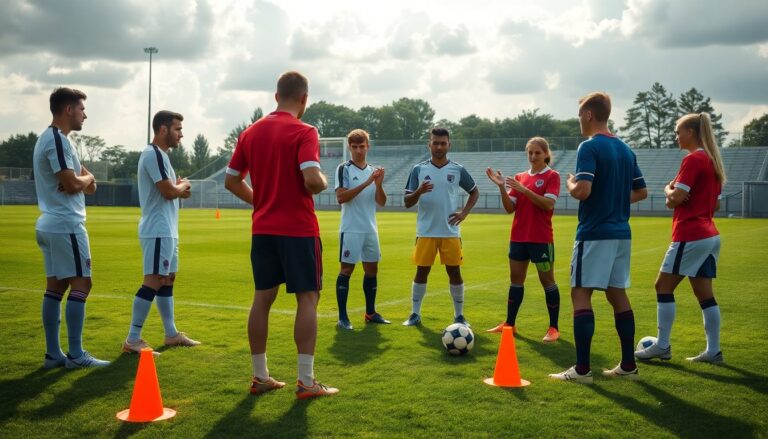
In the realm of professional football, the importance of social dialogue cannot be overstated. Established in 2008, this collaborative framework serves as a platform for addressing the concerns and rights of players across Europe. With approximately 30,000 professional athletes and over 1,300 clubs dedicated to the sport, both male and female players are represented in this dialogue.
The football sector is marked by significant diversity, particularly regarding governance, salary, and working conditions. The high levels of cross-border mobility and staff turnover in this field, as highlighted in the Eurofound Representativeness study, complicate the dynamics within the professional football landscape.
The role of UEFA as a mediator
To foster effective communication between various stakeholders, the UEFA has been invited to chair the meetings that constitute this social dialogue. This involvement ensures that the perspectives and insights of the European Social Partners are represented within UEFA’s multiple committees, promoting a collaborative spirit across the industry.
Challenges in the professional football sector
Despite the establishment of this dialogue, the professional football sector faces significant challenges. A primary concern revolves around the need for standardized practices that protect players’ rights and ensure fair working conditions. With the industry being incredibly competitive and financially driven, players often navigate a complex landscape that can leave them vulnerable without adequate support mechanisms.
Moreover, the disparity in governance among clubs exacerbates these challenges. Clubs vary widely in their operational protocols, which can lead to inconsistencies in how players are treated. This reality highlights the necessity for ongoing discussions and negotiations within the social dialogue framework to establish best practices that benefit all players.
Current focus areas of social dialogue
The current work program under the social dialogue committee emphasizes several key areas, including the enhancement of player welfare and the establishment of fair contractual agreements. These topics are crucial as they not only affect individual players but also the overall integrity of the sport.
By addressing these concerns through structured dialogue, the committee aims to create a more equitable environment for all professional players. This includes advocating for better healthcare, mental wellbeing, and financial security for athletes, which are paramount in sustaining their careers both on and off the pitch.
The importance of ongoing engagement
As the landscape of professional football continues to evolve, maintaining open lines of communication remains pivotal. The social dialogue serves as a forum for addressing immediate concerns and a proactive measure for anticipating future challenges that may arise within the sector.
Engagement from all parties involved—players, clubs, and governing bodies—is essential to foster a spirit of collaboration that ultimately enhances the quality of the sport. The commitment to dialogue ensures that players have a voice in decisions that directly impact their careers, thereby contributing to a healthier football ecosystem.
The sectoral social dialogue in professional football represents a vital component of the industry’s governance structure. By prioritizing the welfare of players and establishing clear communication channels among stakeholders, the football community can work towards a future that supports and empowers its athletes.
