Discover the Hidden Truths of Free-Range Poultry Farming and Its Impact on Animal Welfare Explore the unexpected realities of free-range poultry farming and understand its significant implications for animal welfare. Gain insights into the practices, benefits, and ethical considerations surrounding free-range systems, and learn how they influence the well-being of poultry. Join the conversation on sustainable farming and animal rights, and discover how informed choices can lead to a more...
Topics covered
As the popularity of free-range poultry continues to rise, consumers are increasingly concerned about the conditions under which their food is produced. Recent changes in regulations have sparked debates about the authenticity of free-range labeling and what it truly means for the birds.
Are these birds genuinely allowed to roam freely outdoors, or are they confined to indoor spaces for the majority of their lives?
This article will delve into the evolving standards for free-range poultry, examining the implications of these changes on animal welfare and consumer trust.
Changing regulations and their impact
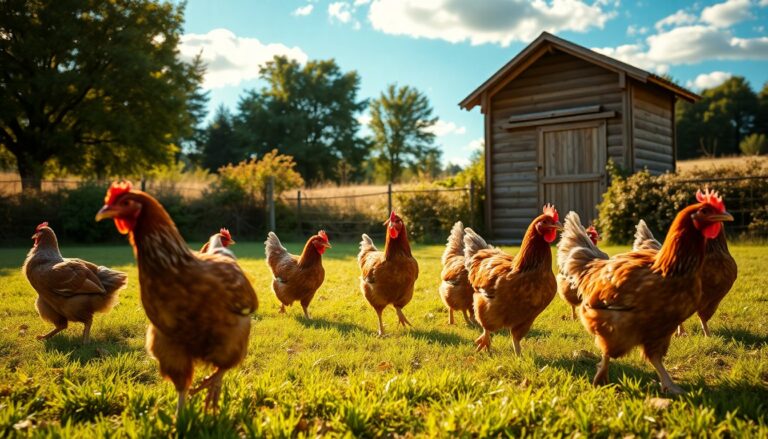
The term free-range traditionally conjured images of birds happily pecking at the ground outside. However, a recent shift in regulations has blurred these lines. New rules allow poultry designated as free-range to spend extended periods indoors, raising questions about the authenticity of such claims.
Birds may be marketed as free-range even if they have minimal access to outdoor spaces.
These regulatory adjustments are driven by various factors, including economic considerations and consumer demand for year-round poultry production, particularly during festive seasons like Christmas. As producers seek to meet this demand, the definition of free-range has become more flexible, leading to potential consumer deception.
The implications for animal welfare
With birds spending most of their lives indoors, the implications for their welfare are significant. The original intent of free-range systems was to provide animals with the ability to engage in natural behaviors such as foraging and roaming. Confined conditions inhibit these behaviors, leading to increased stress and health problems among the birds.
Consumer awareness and ethical considerations
As consumers become more aware of these issues, the demand for transparency in poultry farming practices intensifies. Many individuals are now questioning the ethical implications of supporting producers who may not adhere to the original principles of free-range farming. This shift in consumer sentiment is prompting some farmers to reassess their practices and strive for more humane treatment of poultry.
Future of free-range poultry farming
Looking ahead, the future of free-range poultry farming may lie in stricter regulations and increased consumer advocacy. As more people prioritize ethical consumption, producers might be encouraged to adopt genuinely free-range practices that align with consumer expectations. This could lead to a more significant shift in how poultry is raised and marketed, fostering a more humane approach to animal husbandry.
The complexity of free-range poultry farming
The reality of free-range poultry farming is more complex than many consumers realize. With recent regulatory changes allowing birds to be labeled as free-range despite limited outdoor access, the integrity of such claims is under scrutiny. As awareness grows, both consumers and producers must navigate the delicate balance between demand for poultry and the welfare of the animals involved. Ultimately, the drive for transparency and ethical practices will shape the future of poultry farming.