

Super Typhoon Fung-Wong: Impact on the Philippines Super Typhoon Fung-Wong is currently threatening the Philippines, resulting in extensive evacuations and widespread flight cancellations across the region. As authorities respond to this natural disaster, safety measures are being implemented to protect residents and travelers alike.
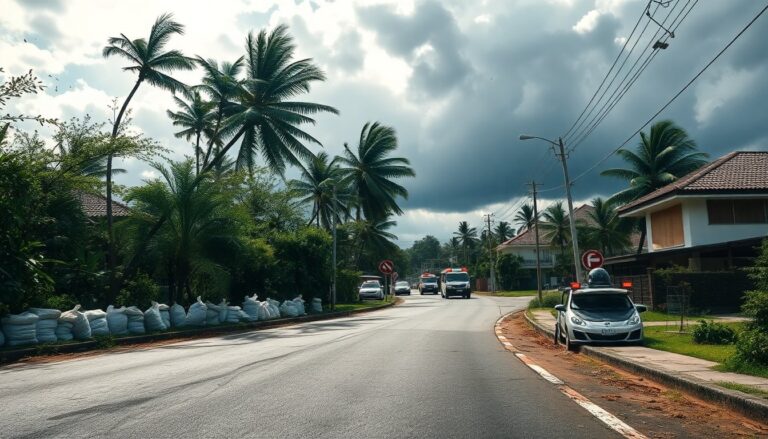
The Philippines is preparing for the imminent arrival of super typhoon Fung-wong, which threatens to cause significant destruction across the nation. This warning comes just days after typhoon Kalmaegi claimed over 200 lives, leaving communities in a state of distress.
In response, the government has ordered the evacuation of nearly 900,000 residents from high-risk areas, emphasizing the critical need for safety measures as the storm approaches.
Understanding the threat of Fung-wong
Fung-wong, known locally as Uwan, is the most powerful cyclone to hit the Philippines this year.
It has maximum sustained winds of 185 kilometers per hour and gusts reaching 230 kilometers per hour. These conditions raise serious concerns about torrential rainfall and severe wind damage. The national meteorological agency has issued a Level 5 alert, the highest warning level, affecting southeastern Luzon and northern regions.
Provinces such as Catanduanes and coastal areas of Camarines Norte and Camarines Sur are particularly at risk.
Evacuation efforts and flight cancellations
As a storm approaches, the Philippine government is taking decisive action to protect its citizens. Approximately 300 flights, including both domestic and international services, have been canceled due to the impending weather crisis. Local authorities are conducting evacuations in vulnerable communities, focusing on the safety of residents in coastal and flood-prone areas. The metropolitan region of Manila is currently under a Level 3 alert, with residents advised to stay vigilant and prepare for potential disruptions.
Typhoons in the Philippines: a recurring challenge
The Philippines experiences frequent typhoons, situated in the typhoon belt of the Pacific Ocean. Each year, the country endures numerous storms that devastate communities, infrastructure, and livelihoods. The recent impact of typhoon Kalmaegi has revealed the ongoing vulnerability of many areas, emphasizing the urgent need for effective disaster response strategies. In light of this, the government faces significant pressure to address the consequences of typhoon Fung-wong and work to prevent further loss of life and property.
Community response and resilience
In response to the looming disaster, communities in the affected regions are showcasing impressive resilience. Local organizations and volunteers have come together to assist in evacuation efforts, providing vital support to those displaced and ensuring essential supplies remain accessible. The unity among Filipinos is evident as they confront the challenges posed by nature. This collective effort is vital for reducing the storm’s impact.
Looking ahead: Preparedness and recovery
As super typhoon Fung-wong approaches, authorities emphasize preparedness and recovery strategies. Staying informed through reliable news sources is crucial. Residents are urged to heed evacuation orders when necessary.
The aftermath of storms like Fung-wong often leaves communities in urgent need of assistance. Effective recovery plans must ensure access to medical care, shelter, and food supplies for those affected.
The Philippines faces another super typhoon challenge. Drawing from lessons learned during past storms, both government and citizens are working diligently to protect lives and restore normalcy quickly. The resilience of the Filipino people in the face of adversity serves as a beacon of hope as they prepare for the impending impact.
