

Bentley embraces petrol performance cars while navigating the electric vehicle landscape.
“`html
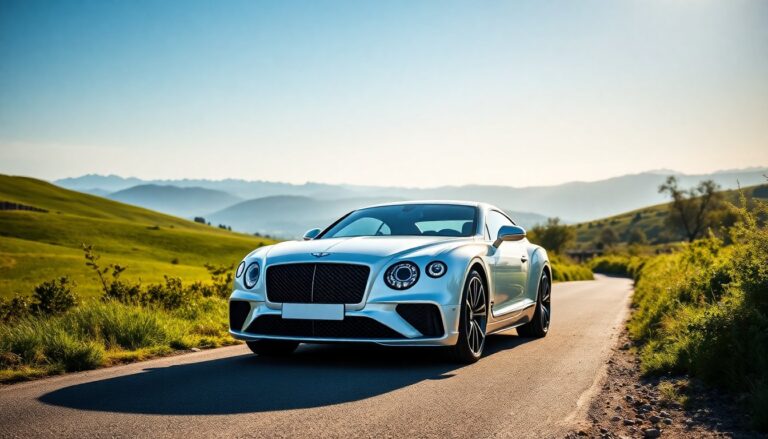
In a significant shift for the luxury automotive brand, Bentley has announced its latest model, the Continental GT Supersports, a high-performance petrol vehicle priced at around £400,000. This decision marks a departure from the company’s previous plans to fully transition to electric vehicles, highlighting the changing dynamics in the automotive market.
CEO Frank-Steffen Walliser openly acknowledged the current state of electric vehicle (EV) acceptance, stating it has reached an all-time low. This announcement comes as Bentley prepares to unveil its new model on November 14, emphasizing a return to the brand’s roots focused on performance and driving emotion.
The pivot from electric to petrol
Not long ago, Bentley committed to a major electrification strategy, pledging £2.5 billion to convert its entire range to electric. This initiative was touted as a transformative moment for the brand. However, the reality today is starkly different.
Walliser’s recent remarks indicate that the luxury car market is not yet ready to embrace EVs at the premium price point that Bentley offers.
Financial pressures and market realities
In the first nine months of recent times, Bentley reported a 2.9% decline in sales, amounting to €1.89 billion. Even more alarming, the company’s operating profit plummeted by 62%, leading to a mere €115 million. The sharp decline in sales, particularly a staggering 30% drop in China—a significant market for luxury vehicles—has compelled Bentley to reassess its strategy.
With the EV market showing signs of stagnation, Walliser believes that the model for electric vehicles will evolve. He remains hopeful that the transition will eventually occur, albeit under different market conditions. “It will come back,” he said, though he conceded uncertainty about how that transition would materialize.
Brand identity and customer expectations
At the heart of Bentley’s decision lies a fundamental question of brand identity. Walliser explained that the essence of a Bentley has always been about delivering torque and a rich driving experience. With the rise of electric vehicles, where torque is ubiquitous, the challenge becomes differentiating the brand through elements such as sound and driving feel.
The future of Bentley’s electrification plans
Despite its current focus on petrol performance, Bentley has not entirely abandoned its electric future. The company is still planning to introduce its first electric vehicle, a luxury urban SUV, in the near future. However, the timeline for achieving a fully electric lineup has now been pushed back. This delay reflects the difficulties faced in the market and the shift in consumer preferences.
Furthermore, Walliser highlighted that the luxury market is currently resistant to adopting electric vehicles, especially as competitors like BYD offer compelling alternatives at lower price points. The recent expiration of government EV subsidies has also contributed to declining sales in the electric segment, creating a challenging environment for luxury brands like Bentley.
Why the Supersports matters
The upcoming Continental GT Supersports is not just a new model; it symbolizes Bentley’s strategic shift towards profitability and performance. With a powerful 600bhp V8 engine and a design aimed at evoking strong emotions, the Supersports is positioned as the lightest and most driver-focused version ever produced. This decision underscores Bentley’s commitment to delivering exhilarating driving experiences.
By prioritizing petrol vehicles over electric ones, Bentley is responding to market realities and customer expectations. Walliser’s candid acknowledgment of EV acceptance issues illustrates a broader trend in the automotive industry, where luxury brands are reassessing their electrification strategies in light of current consumer behavior and economic conditions.
As Bentley navigates these challenges, the introduction of the Supersports could reshape the brand’s future, reinforcing its legacy while adapting to an evolving market landscape. The company’s journey reflects a delicate balance between tradition and innovation, as it seeks to redefine luxury performance in a world increasingly focused on sustainability.
“`
