

Local Restaurant in Midlothian Advocates for Parking Rights Amid Planning Regulation Challenges
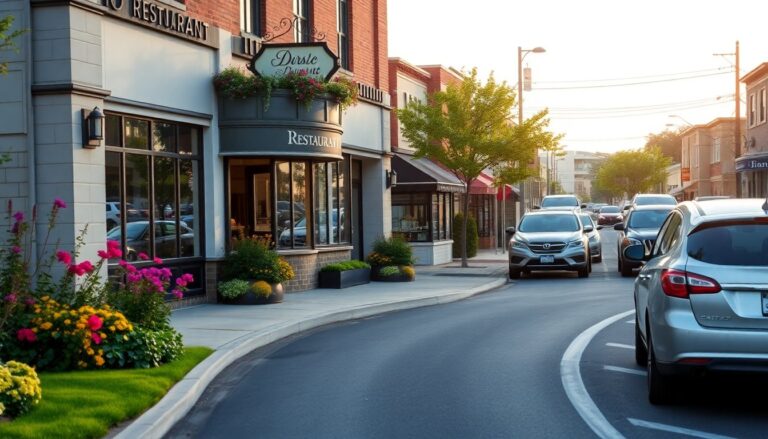
In the charming region of Midlothian, a local restaurant is embroiled in a dispute with planning authorities regarding the need for additional parking spaces. Known for its vibrant community engagement and diverse menu, the restaurant has expressed concerns that losing access to sufficient parking would adversely affect its operations and have broader negative implications for the town.
The situation has escalated as the restaurant’s management argues that a potential loss of current parking spaces could decrease customer traffic, ultimately harming the local economy. This dispute has prompted a wider discussion about balancing urban development with community needs.
The importance of parking for local businesses
Parking availability is critical for the success of any establishment, particularly for dining venues that depend on foot traffic. The restaurant serves as a popular gathering place within the community, offering a variety of culinary delights in a welcoming atmosphere.
Parking spaces are not merely a convenience; they represent the lifeblood of customer accessibility.
Community concerns
Local patrons have voiced their support for the restaurant, emphasizing that its loss would significantly impact the community. Many residents value the establishment not just for its food, but also for the camaraderie it fosters. The potential closure or downsizing due to parking limitations could diminish the town’s social fabric, which thrives on such venues.
Furthermore, the restaurant’s management has highlighted that the proposed use of public space for additional parking would not only benefit their business but also enhance accessibility for other local shops and services. By ensuring that visitors can easily find parking, the entire area could experience an increase in customer engagement.
Regulatory hurdles and their implications
Planning regulations often dictate the use of public spaces, making it challenging for local businesses to navigate these bureaucratic obstacles. In this instance, the restaurant seeks to collaborate with local authorities to find a mutually beneficial solution that addresses both the business’s and the community’s needs. They assert that converting public land into a parking facility is essential for their survival and the vitality of the Midlothian area.
Seeking solutions
The restaurant’s management is actively engaging with local planners to explore alternative arrangements. They propose a detailed plan for a designated parking area that could accommodate both their needs and those of surrounding businesses. This proactive approach demonstrates their commitment to being a responsible member of the Midlothian community.
Additionally, they have suggested potential partnerships with neighboring businesses to share parking resources, optimizing space while enhancing the shopping experience for customers. This collaborative effort could pave the way for a sustainable solution benefiting all parties involved.
A community-centric approach
As discussions continue, it is evident that the restaurant’s struggle reflects a larger challenge faced by many local businesses in urban areas. Finding a balance between urban development and preserving community character is vital. The restaurant’s case underscores the importance of listening to local voices and considering their implications in planning decisions.
The resolution of this parking dispute could serve as a model for how local businesses navigate similar challenges in the future. By advocating for their needs while fostering community connections, establishments like this restaurant can contribute positively to the local economy.
