Optimize Your Cholesterol Levels: The Impact of Bread Selection Discover how choosing the right types of bread can play a crucial role in managing your cholesterol levels. Explore various bread options and their nutritional profiles to make informed dietary decisions that promote heart health. Learn about whole grain, sourdough, and low-carb alternatives that can help maintain healthy cholesterol levels while satisfying your taste buds. Make the switch today for a healthier tomorrow!
Topics covered
In the quest for better health, particularly in controlling cholesterol levels, diet plays a pivotal role. In the UK, the consumption of ultra-processed foods has risen dramatically, contributing to increased waistlines and health issues. Among the dietary culprits, bread, often a staple, significantly affects cholesterol levels.
Understanding the nuances of cholesterol is essential. It exists in two forms: the bad cholesterol known as LDL (low-density lipoprotein), which can clog arteries, and the good cholesterol referred to as HDL (high-density lipoprotein), which helps remove bad cholesterol from the bloodstream.
To maintain a healthy balance, dietary choices become crucial.
Understanding cholesterol and its impact on health
Cholesterol is a waxy substance produced by the body and obtained from certain foods. Its functions are vital, including aiding in the production of vitamin D, contributing to hormone synthesis, and forming cell membranes.
However, excess cholesterol, particularly LDL, can lead to conditions such as atherosclerosis, increasing the risk of serious cardiovascular events like heart attacks and strokes.
Identifying dietary influences on cholesterol
Multiple factors influence cholesterol levels, including genetics, lifestyle, and diet. While the body produces cholesterol, dietary choices can exacerbate high levels, particularly when consuming foods high in saturated fats.
To combat high cholesterol, individuals should focus on incorporating specific foods into their diet. A diet rich in fruits and vegetables, whole grains, and legumes can promote better cholesterol levels. Experts recommend consuming a minimum of 2-3 servings of vegetables and 2 servings of fruit daily. The vitamins and antioxidants in these foods play a crucial role in reducing overall cardiovascular risks.
Choosing the right bread for heart health
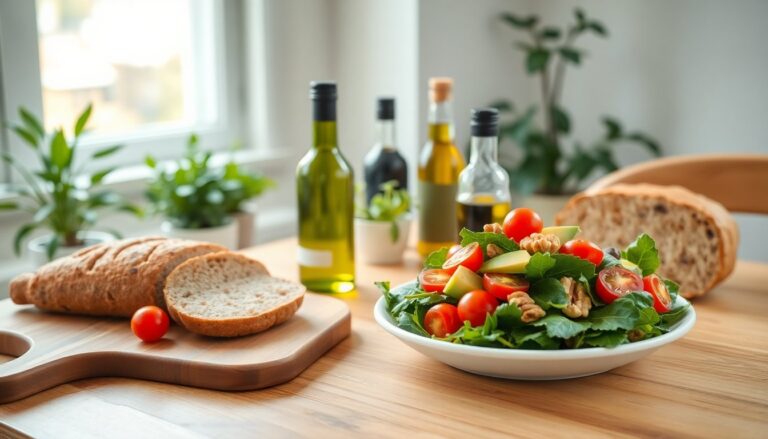
When it comes to bread, opting for whole grain varieties is beneficial due to their higher fiber content, which can assist in lowering LDL cholesterol. Unlike white bread, often made from refined flour lacking in nutrients, whole grain bread offers essential nutrients and promotes better digestion.
Types of bread to consider
Among the best options are breads made from rye, oats, and barley. These grains are not only nutritious but also contain beta-glucans, a type of soluble fiber shown to help lower cholesterol levels. Additionally, moderation is key when it comes to portion sizes, as consuming excessive amounts of any bread can contribute to weight gain, a risk factor for high cholesterol.
Incorporating healthy fats from sources like extra virgin olive oil can also support heart health. These fats can help raise HDL cholesterol while lowering LDL cholesterol levels. However, it is advisable to limit the intake of certain dairy products, opting for low-fat options whenever possible.
Broader dietary considerations for cholesterol management
Beyond bread, an overall balanced diet can significantly impact cholesterol levels. Regularly including fish, particularly smaller fatty varieties, provides beneficial omega-3 fatty acids that support cardiovascular health. Lean meats, especially poultry, should replace red meat to reduce saturated fat intake.
Moreover, limiting processed meats and high-fat dairy products can further aid in maintaining healthy cholesterol levels. Avoiding trans fats, often found in commercially baked goods and fast foods, is crucial as they can dramatically increase LDL cholesterol levels.
Understanding the nuances of cholesterol is essential. It exists in two forms: the bad cholesterol known as LDL (low-density lipoprotein), which can clog arteries, and the good cholesterol referred to as HDL (high-density lipoprotein), which helps remove bad cholesterol from the bloodstream. To maintain a healthy balance, dietary choices become crucial.0