

Explore the Intriguing World of Norse Mythology and Personal Transformation in Sally Magnusson's "The Shapeshifter's Daughter" Discover the captivating narrative woven through Sally Magnusson's "The Shapeshifter's Daughter," where Norse myths intertwine with profound personal journeys. Experience a rich tapestry of storytelling that invites readers to delve deep into themes of identity, transformation, and the timeless allure of ancient legends.
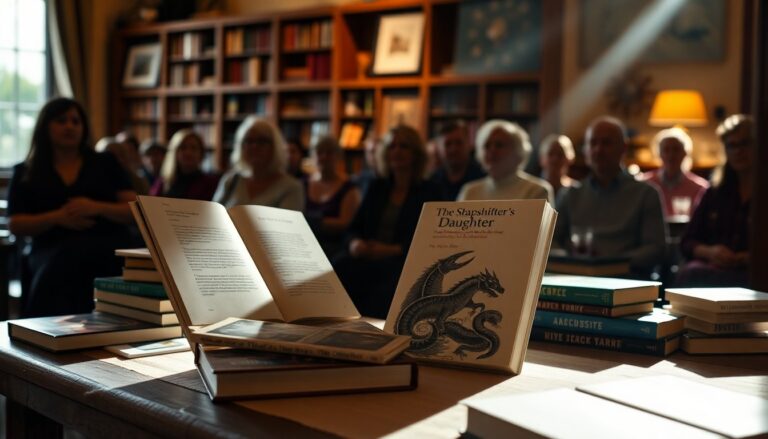
Sally Magnusson unveils new novel at St Andrew’s Book Festival
Sally Magnusson, recognized for her compelling storytelling as a journalist and broadcaster, has captivated audiences with her latest novel, The Shapeshifter’s Daughter. This work draws inspiration from the rich traditions of Norse mythology and reflects Magnusson’s deep connection to her Orkney heritage.
During the St Andrew’s Book Festival in London, she shared insights into this engaging narrative, which weaves together personal history and ancient legends.
Unraveling the threads of mythology
In The Shapeshifter’s Daughter, author Magnusson reinterprets the story of Hel, the Norse goddess of the underworld.
Originally a girl named Hel, she is expelled from Asgard, the realm of the gods, by Odin, known as the Allfather. This critical turning point leads to her transformation into a powerful deity linked with death and decay. Hel’s life in the desolate, icy landscape of Niflheim highlights her complex identity—part beauty, part crone.
As the narrative unfolds, readers observe Hel’s transformation as she confronts memories and ties that pull her back to the radiant world of Midgard, where humans dwell. This blend of myth and personal journey characterizes Magnusson’s storytelling, prompting readers to contemplate their own experiences and the narratives that define their identities.
Helen’s journey of reconciliation
The novel centers on Helen Firth, a woman confronting her mortality after receiving a terminal cancer diagnosis. After a forty-year absence, Helen chooses to return to her native Orkney. This decision marks a significant step in her quest for closure and reconciliation with her past. The solstice sun illuminates her path as she reconnects with Thorfinn Coffin, a charmingly awkward figure who becomes her companion on this poignant journey.
As Helen grapples with her impending death, a parallel narrative unfolds featuring Hel, the goddess of death. Despite being centuries apart, both characters share a common thread as they confront their pasts and question their identities. This duality enriches the narrative, emphasizing universal themes of grief, acceptance, and the search for understanding.
Reclaiming stories and identities
The novel explores the theme of reclaiming one’s identity through the power of storytelling. As Helen approaches her final moments, she realizes that confronting her past is crucial for her own peace and Hel’s transformation. Both women come to understand that their self-perceptions have been influenced by their experiences and the narratives they’ve accepted over time. This insight drives them to uncover the truth of who they are, challenging the labels that have been imposed upon them.
The power of myth in modern storytelling
Magnusson’s work highlights the enduring influence of mythology in contemporary storytelling. By integrating ancient narratives into modern contexts, she illustrates how these tales resonate with issues like identity, loss, and the human condition. The reinterpretation of Hel’s story serves as a metaphor for the struggles faced by individuals confronting mortality and the quest to leave a significant legacy.
This examination of personal and mythological narratives in The Shapeshifter’s Daughter transcends the theme of death; it also celebrates life. Through the journeys of Helen and Hel, readers are invited to reflect on their own narratives and the truths they embody. Magnusson’s skillful fusion of the mystical with the personal creates a thought-provoking experience that lingers beyond the final page.
The enduring power of storytelling
Sally Magnusson’s The Shapeshifter’s Daughter transcends traditional novel formats, showcasing the profound impact of storytelling. Drawing inspiration from her affection for Orkney and the rich legacy of Norse myths, Magnusson weaves a narrative that explores themes of identity, loss, and the search for understanding. This work invites readers to engage in a journey that entertains while prompting introspection about their own experiences and the narratives they hold.
