

Steve Clarke: Pioneering Scotland's Path to World Cup Glory With Scotland entering pivotal matches, Steve Clarke's strategic leadership is set to be instrumental in steering the team toward a historic return to the World Cup. His innovative coaching techniques and ability to inspire players could potentially reshape Scotland's football legacy on the global stage.
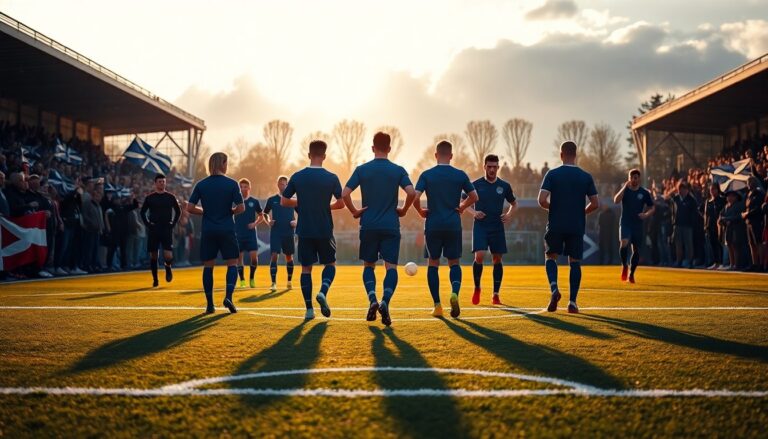
Scotland’s national football team, led by coach Steve Clarke, stands on the verge of a significant achievement. The prospect of qualifying for the World Cup after nearly three decades looms large as they prepare for decisive matches against Greece and Denmark.
With a mix of anticipation and pressure, Clarke’s squad is ready to face these challenges, understanding that their performance could secure their place in Scottish football history.
In their previous encounter with Greece, Scotland faced a daunting start, trailing by three goals early in the match.
Despite this setback, the team rallied, demonstrating their determination and resilience. Goals from Ben Gannon-Doak and Ryan Christie sparked a revival, allowing Scotland to keep their hopes alive for a top spot in Group C.
The path to qualification
As the team prepared for their encounter in Piraeus, Clarke began strategizing for a potential playoff situation. Securing at least a point in Greece was essential, particularly with a crucial home game against Denmark approaching. The tension was palpable, as Scotland’s fate depended not only on their performance but also on the outcome of the match between Belarus and Denmark.
Resilience in adversity
When the match against Greece reached its peak drama, Clarke’s tactical adjustments became evident. Initially focused on long-term playoff strategy, he quickly shifted gears as his team clawed back to a more competitive position. Goals from Gannon-Doak and Christie not only lifted the team’s spirits but also changed the game’s dynamics, prompting Clarke to adopt a more aggressive approach.
Reflecting on the match’s wild nature, Clarke noted, “It was a thrilling spectacle for the fans, but not the result we desired.” His assessment underscored the need for improved defensive strategies, particularly against long balls that had caused problems throughout the game. The ability to adapt under pressure is crucial for any team aspiring to succeed on the world stage.
Preparation for the final showdown
Following a 3-2 loss in Greece and a subsequent draw against Denmark, Scotland now faces a winner-takes-all scenario at Hampden Park. Clarke’s emphasis on starting strong in matches will be pivotal, especially after recent performances where the team often found themselves on the back foot initially. The challenge is not only physical but also mental, as players must harness their skills and resolve to secure victory.
The weight of history
For many in the current squad, the chance to qualify for the World Cup represents a once-in-a-lifetime opportunity. Clarke remarked, “A significant number of players have never experienced a World Cup. This is their moment to make history.” The stakes are high, and the emotional weight of representing a nation with a rich footballing heritage amplifies the pressure.
The excitement among supporters is palpable, as they hope to see their team compete on the global stage once again. Scotland’s last participation in a men’s World Cup was in 1998, and for many fans, this upcoming campaign symbolizes a chance to fulfill a long-held dream. Clarke’s leadership and the players’ commitment will be critical in turning this dream into reality.
As the team approaches the decisive match against Denmark, Clarke remains resolute in his goal of leading Scotland to the World Cup. He stated, “We are here to fight for our place among the world’s elite.” With determination, strategic planning, and the unwavering support of their fans, Scotland aims to secure their spot in the tournament and embark on a new chapter in their footballing history.
