

Resume Objective: Dedicated professional seeking to contribute to initiatives focused on enhancing cyclist safety and promoting sustainable transportation solutions in urban environments. Experience: Cyclist Safety Advocate - Actively engaged in campaigns promoting cyclist safety through the implementation of new road width regulations. - Collaborated with local government agencies to develop and execute strategies aimed at improving road infrastructure for cyclists. Urban Planning...
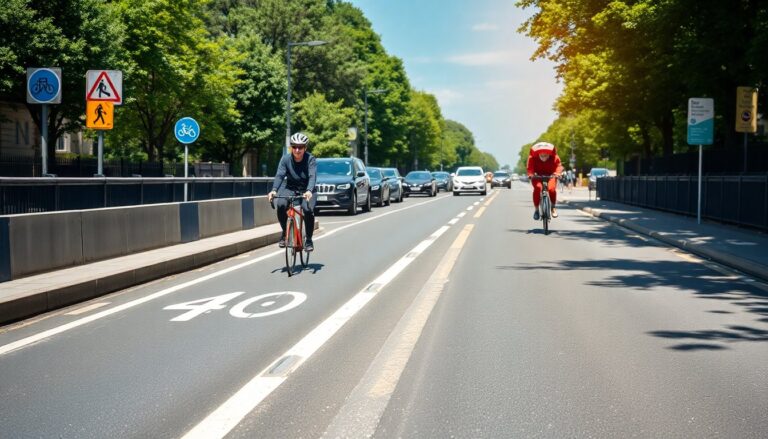
In a significant move to enhance cyclist safety, the British government has introduced official guidelines that call for the narrowing of local road lanes. This initiative aims to create a safer environment for cyclists, who often risk their safety when sharing the road with motor vehicles.
The new directives stipulate that lanes on local roads should either be reduced to a maximum width of 10 feet 8 inches or expanded to a minimum of 12 feet 10 inches. Critics, however, express skepticism, suggesting that the likelihood of lane widths being reduced is far greater than the potential for expansion.
Impact on drivers and cyclists
This proposed regulation has garnered mixed reactions from various stakeholders. While the primary objective is to protect cyclists, many drivers are concerned about the implications of narrower roads on traffic flow and safety. Advocates argue that limiting overtaking opportunities will encourage drivers to exercise more caution around cyclists, thereby reducing the risk of accidents.
Nonetheless, some motorists fear these adjustments may lead to increased congestion and frustration on the roads.
Concerns from the motoring community
Opponents of the narrowing initiative have voiced their concerns about the practicality of these changes. They argue that reducing lane widths may lead to dangerous situations where drivers feel compelled to take risks to overtake cyclists, especially in areas where road space is already limited. Furthermore, the potential for increased traffic congestion could exacerbate road safety issues rather than alleviate them.
Broader context of road safety initiatives
This regulation is part of a broader effort by the government to promote cycling as a sustainable mode of transportation. As urban areas strive to reduce carbon emissions and traffic congestion, cycling is increasingly viewed as a viable alternative to motor vehicles. The government is investing in cycling infrastructure, including dedicated bike lanes and secure parking facilities, to encourage more individuals to choose bicycles for their daily commutes.
Encouraging sustainable transportation
By fostering a culture of cycling, the government aims to improve public health and contribute to environmental sustainability. This shift in transportation policy is supported by a growing body of research that highlights the numerous benefits of cycling, including reduced air pollution and lower traffic volumes. However, for these initiatives to succeed, a balanced approach must consider the needs and safety of all road users.
As the debate around the new road regulations continues, it is essential for policymakers to engage with both cyclists and motorists to find common ground. The goal should be to create a road network that accommodates all users’ needs, ensuring that cyclists can navigate safely while also maintaining efficient traffic flow for drivers. The challenge lies in achieving this balance without compromising the safety and comfort of either group.
