

Poland Closes Russian Consulate Amid Rising Tensions and Sabotage Allegations Poland's recent decision to shut down the Russian consulate highlights escalating diplomatic tensions and ongoing accusations of sabotage associated with Russia. This move underscores the deteriorating relationship between Poland and Russia, driven by security concerns and geopolitical dynamics in the region.
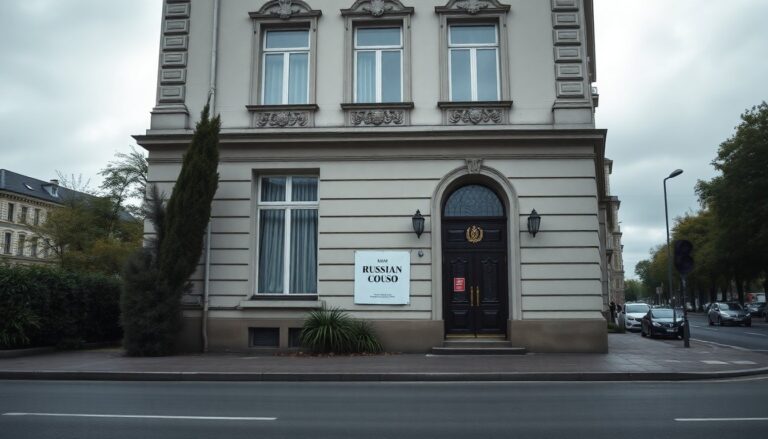
In a decisive move reflecting escalating diplomatic tensions, Poland has announced the closure of its last remaining Russian consulate located in Gdansk. This action follows a recent incident involving a railway line to Ukraine that Polish authorities have attributed to Russian orchestrations.
Polish Foreign Minister Radoslaw Sikorski emphasized that this closure is a direct response to ongoing hostile actions purportedly emanating from Moscow.
During a press briefing, Sikorski elaborated on the rationale behind this significant diplomatic gesture, stating, “I have decided to withdraw consent for the operation of the Russian consulate in Gdansk.” He noted that previous warnings directed at Russia regarding its aggressive maneuvers had been ignored, necessitating this decisive action.
Consequently, the only remaining Russian diplomatic representation in Poland will be the embassy situated in Warsaw.
Reactions from Moscow
The Kremlin’s response was swift and pointed, with spokesperson Dmitry Peskov accusing Poland of fostering a climate of Russophobia. Peskov lamented, “Relations with Poland have completely deteriorated,” emphasizing that the Polish government’s actions reflect an intent to sever any remaining diplomatic ties.
He expressed regret over the situation, suggesting that it lacks rational justification.
Further escalating the diplomatic rift, Russia’s Foreign Ministry spokesperson Maria Zakharova announced that Moscow would retaliate by reducing the presence of Polish diplomats in Russia. This tit-for-tat approach underscores the increasingly strained relations between the two nations.
Accusations of sabotage
The backdrop to this diplomatic fallout is rooted in a recent incident described by Polish Prime Minister Donald Tusk as an “unprecedented act of sabotage” targeting the railway infrastructure connecting Poland to Ukraine. Tusk revealed that two suspects, now believed to have fled to Belarus, were reportedly acting on behalf of Russian intelligence services. This alarming assertion has intensified suspicions and fueled allegations against Russia.
Details of the incident
According to Tusk, the investigation has uncovered links between the suspects and the Russian secret services, raising concerns about the extent of foreign interference in Poland’s domestic affairs. The prime minister stated, “We have established that it was the Russian Secret Services that commissioned the blast on the Polish railway and recruited two Ukrainians to execute the operation.” This revelation has prompted a broader discussion about the security of Poland’s infrastructure.
Western officials have echoed these sentiments, suggesting that Russia and its affiliates have engaged in various subversive activities across Europe since the onset of the conflict in Ukraine more than three years ago. The aim, they argue, is to undermine support for Ukraine while instilling fear and division within European societies.
Poland’s posture in the face of aggression
The Polish government’s decision to close the consulate is more than just a diplomatic maneuver; it represents Poland’s determination to confront perceived threats head-on. Sikorski’s assertion that recent attacks on infrastructure equate to state terrorism underscores the seriousness with which Poland views these incidents. This framing serves to rally public sentiment against external threats.
Despite the escalating tensions, Sikorski maintained that this closure does not signify a complete severance of diplomatic relations with Russia, raising questions about who in Russia would continue to seek engagement under the current circumstances. The Polish government appears committed to portraying itself as a frontline defender against Russian aggression, thereby reinforcing its stance within the broader European context.
As the situation evolves, all eyes will be on Poland and its next steps in navigating the delicate balance of diplomacy and national security. The international community watches closely as these developments unfold, recognizing the potential implications not just for Poland but for regional stability as a whole.
