Exploring the Essential Role of People and Nature Surveys in Understanding Nature's Impact on Mental Health Discover how comprehensive people and nature surveys significantly enhance our understanding of the intricate relationship between nature and mental health. These surveys provide valuable insights into how natural environments affect psychological well-being, offering crucial data that informs mental health strategies and promotes overall wellness.
Topics covered
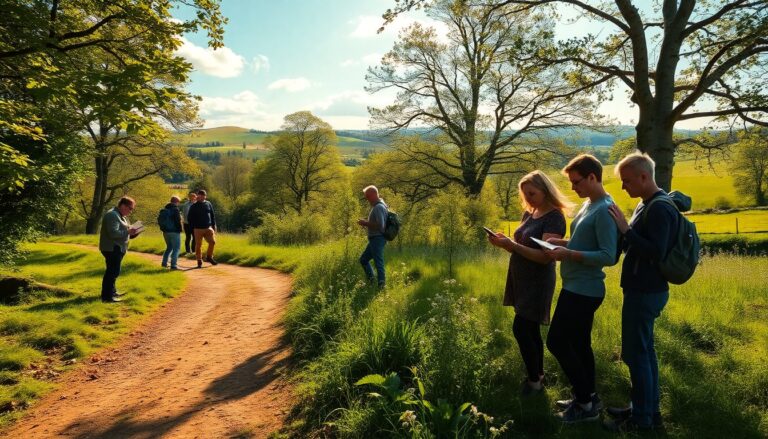
People and Nature Surveys have become essential in understanding how individuals in England interact with and benefit from their natural surroundings. These surveys gather important data on public access, understanding, and enjoyment of nature. They provide insights into how nature plays a vital role in enhancing overall well-being.
The results from these surveys contribute to the broader framework of the 25 Year Environment Plan, ensuring that environmental policies reflect the real experiences and needs of the community.
Survey methodologies explained
The People and Nature Surveys employ a variety of methodologies to capture a comprehensive understanding of human interactions with the environment.
By integrating both qualitative and quantitative methods, these surveys yield a rich dataset that mirrors public sentiment and behaviors towards nature. Grasping these methodologies is essential for accurately interpreting the data and effectively applying it in policy-making.
Data collection techniques
Researchers utilize various data collection techniques, such as questionnaires, interviews, and observational studies. These methods enable the gathering of information on key aspects, including the frequency of visits to natural spaces, activities undertaken in these environments, and overall satisfaction with access to nature. By employing these techniques, researchers can identify important trends and patterns in how the public engages with the natural world.
Impact on well-being and policy
The findings from the People and Nature Surveys carry significant implications for individual well-being and environmental policy. Research consistently shows that spending time in nature enhances mental health, promotes physical activity, and boosts overall life satisfaction. These surveys underscore the importance of these connections, advocating for increased investment in natural spaces to ensure communities have sufficient access to outdoor environments.
Insights from recent data
Data from surveys during the COVID-19 pandemic highlight a notable shift in how individuals engage with natural spaces. Findings collected between April 2025 and March 2025 indicate that many sought refuge in nature to alleviate the stresses associated with lockdowns. This underscores the necessity of safeguarding and enhancing access to green spaces, positioning it as a vital public health priority.
Children’s engagement with nature
The Children’s People and Nature Survey focuses on children aged 8 to 15, revealing how younger generations interact with the environment. This survey highlights the importance of fostering a connection with nature from an early age. Engaging children in outdoor activities contributes to their physical health and nurtures a sense of environmental stewardship.
Encouraging outdoor activities
Promoting outdoor play and exploration is crucial for children’s development. Survey results show that children who frequently interact with nature exhibit higher creativity, improved social skills, and enhanced cognitive abilities. Therefore, integrating nature-based programs into school curriculums and community activities can significantly benefit children’s overall growth.
The People and Nature Surveys are essential for understanding the complex relationship between individuals and the natural environment in England. These surveys underscore the positive impact of nature on well-being and provide valuable data for informed policy-making. As society faces ongoing environmental challenges, the insights derived from these surveys will be instrumental in promoting greater access to and appreciation for the natural world. This resource is crucial for fostering a healthier and more sustainable future.