

Child Casualties from Explosive Weaponry Reach Alarming Levels Since 2025 A recent report reveals a staggering increase in child casualties due to explosive weaponry, marking a record-breaking trend since 2025. The findings highlight the urgent need for international attention and action to protect vulnerable populations, particularly children, from the devastating impacts of armed conflict.
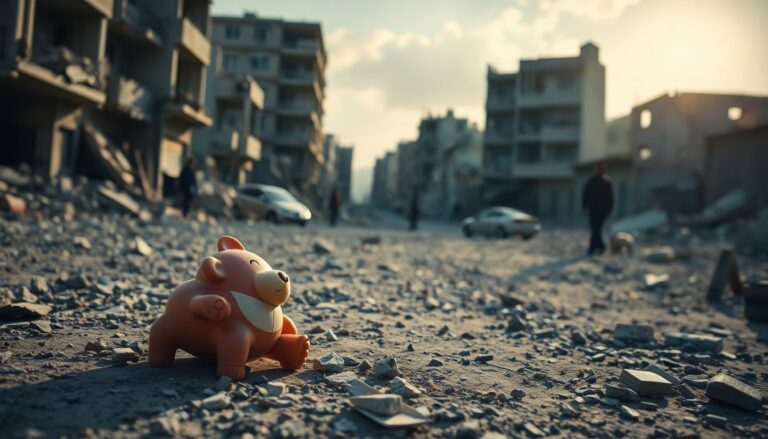
“`html
The plight of children caught in conflict has reached alarming levels, according to a new report. Casualties from explosive weapons have surged significantly, marking a tragic trend. The number of children harmed or killed by such violence is equivalent to the capacity of 200 commercial airliners.
This data highlights the urgent need for international attention and action to protect vulnerable populations in war-torn regions.
The facts
Conflicts around the world continue to escalate, significantly impacting children. According to a recent report, the use of explosive weapons in populated areas has caused a dramatic increase in casualties among minors.
Many children endure severe blast injuries, leading to lifelong disabilities and psychological trauma. This alarming trend necessitates an urgent reevaluation of military strategies that compromise civilian safety, particularly that of vulnerable children.
The impact of explosive violence on children
Explosive devices in populated areas have devastating effects.
Children not only face immediate threats of physical harm, but also endure psychological trauma that can hinder their development and future opportunities. Survivors frequently confront mental health challenges, such as anxiety and post-traumatic stress disorder (PTSD), which arise from their experiences of violence. Additionally, the loss of family members and forced displacement from their homes worsen their suffering.
International response and responsibility
Here are the facts: the alarming statistics call for immediate action from the international community regarding the use of explosive weapons in civilian areas. Humanitarian organizations stress the necessity for robust regulations to safeguard children in conflict zones. They highlight the critical need for compliance with international humanitarian law. The recent surge in casualties reflects a significant failure to uphold these essential legal standards.
The facts
Non-governmental organizations (NGOs) and child rights advocates are calling on governments to prioritize children’s safety in conflict zones. Campaigns to ban the use of explosive weapons in populated areas are gaining momentum. These initiatives emphasize the urgent need for a global consensus to protect innocent lives. Advocates stress that rehabilitation programs for affected children are essential, providing necessary medical and psychological support to help them rebuild their lives.
The consequences
The ongoing conflict continues to have devastating effects on children. Many are left injured or traumatized, facing long-term physical and mental health challenges. The international community’s response is critical. Support for NGOs and humanitarian efforts is vital to ensure that children receive the care they need. As advocacy efforts expand, the hope is to create safer environments for children worldwide.
The facts
This report highlights the alarming number of children affected by conflicts involving explosive weapons. The data underscores a pressing humanitarian crisis. Nations, international organizations, and civil society must unite to address the issue. Dialogue, humanitarian aid, and accountability for violators are crucial steps forward. The global community bears the responsibility to protect children.
Reactions
The stark reality of child casualties from explosive violence demands immediate action. Protecting children’s rights must become a global priority. A commitment to ensuring their safety can pave the way for a future free from fear and violence. Urgent measures are essential to change this tragic narrative.
“`
