

Resume Summary: Recent Proposal for Glamping Pods in Midlothian: An Insight into the Clash Between Tourism Development and Environmental Preservation A recent planning application for the establishment of glamping pods in Midlothian has faced rejection from local planners. This decision underscores the ongoing tension between the need for tourism development and the imperative of environmental conservation.
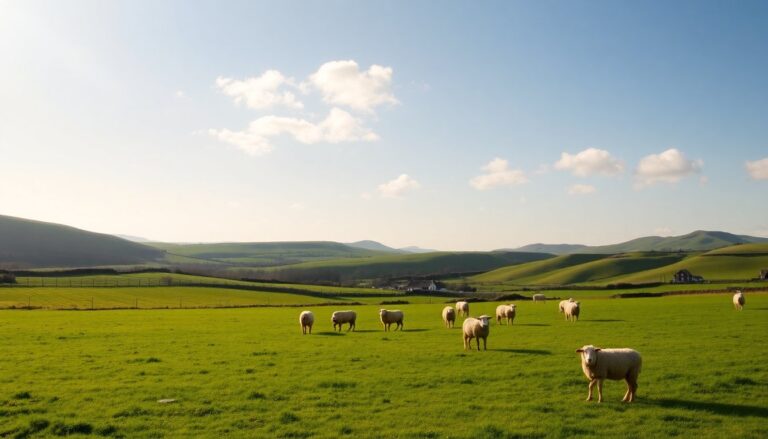
In a significant ruling, planners in Midlothian have turned down a proposal to establish four glamping pods on agricultural land adjacent to Walltower Farm in Howgate. The Marwick family aimed to diversify their sheep-grazing farm by introducing visitor accommodations.
However, planners expressed concerns that the development would disrupt the character of the local landscape.
The Marwicks sought to enhance their family-run agricultural business, arguing that the glamping pods would attract tourists to nearby attractions, including the Midlothian Snowsports Centre and its recently launched Alpine Coaster.
Their vision included not only contributing to the farm’s long-term viability but also promoting local economic development through increased tourism.
Concerns over environmental impact
Despite the potential economic advantages cited by the applicants, planning officers raised significant concerns about the proposal’s environmental impact.
They highlighted that the plan would require the removal of mature trees and could adversely affect nearby woodlands, ultimately threatening the area’s natural beauty.
Visual impact assessment
In their evaluation, planners noted that the proposed site is situated on a steeply sloping, largely open field. They remarked, “The layout of the pods is very linear, strung out across the hill and the field.” This design appeared to prioritize maximizing scenic views for guests rather than integrating harmoniously with the landscape. Such a layout was deemed unsuitable for an area celebrated for its natural charm.
The planners concluded that the glamping pods, as proposed, would be conspicuous against the pastoral backdrop, resulting in an obtrusive and unattractive development. They further argued that these structures do not align with the traditional features of Midlothian’s sensitive landscape, which aims to preserve its scenic integrity.
Implications for agritourism in Midlothian
This decision highlights the broader challenges facing the outdoor hospitality sector in the UK, particularly regarding the establishment of new accommodations in areas with stringent landscape and environmental protections. The case underscores the critical need for early engagement with planning authorities and the importance of comprehensive visual impact assessments.
Future considerations for applicants
For future proposals, applicants must demonstrate a strong connection between their projects and the existing environment. This includes exploring alternative designs that respect local characteristics and minimize visual disruption. As agritourism gains momentum, balancing economic development with the preservation of the rural landscape becomes increasingly vital.
The rejection of the glamping pods proposal signifies that while innovation and diversification in farming are essential, they must be pursued with a strong commitment to environmental stewardship. The Marwicks’ vision for their farm may need to evolve to address these regulatory challenges while still seeking opportunities for tourism revenue.
