

Exploring the Complex Dynamics of Glinda and Elphaba's Relationship in "Wicked: For Good" Delve into the multifaceted connection between Glinda and Elphaba, two iconic characters from the renowned musical "Wicked." This analysis uncovers the layers of friendship, rivalry, and transformation that define their relationship. Discover how their contrasting personalities and experiences shape their journey and the broader themes of acceptance, identity, and moral ambiguity within the narrative....
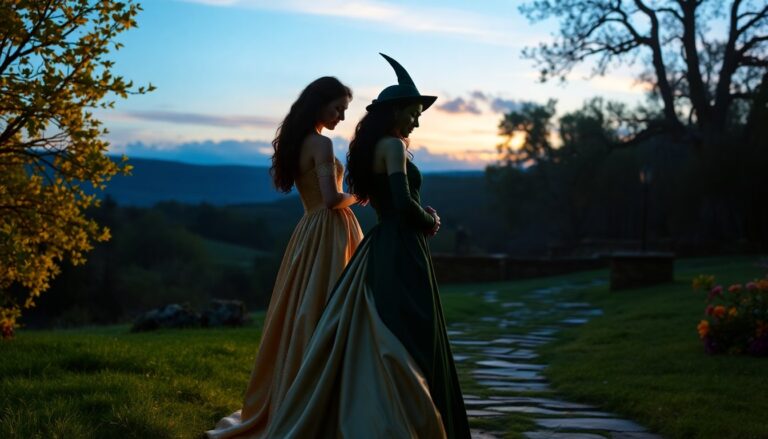
In the much-anticipated sequel Wicked: For Good, audiences are reintroduced to the beloved characters of Glinda and Elphaba, portrayed by Ariana Grande and Cynthia Erivo, respectively. This film unfolds twelve pivotal moments after the original stage adaptation, offering a deeper exploration of their bond.
It not only continues the story of the two witches but also infuses the plot with romantic elements that had not been fully explored previously.
Following the gripping events of the first act, where Elphaba boldly defies the odds by taking flight, she finds herself in a world of exile, determined to fight against the injustices in Oz.
Meanwhile, Glinda has transformed her identity, becoming a prominent figure in the realm’s propaganda efforts. Their parallel journeys lead to a reunion fraught with emotional tension and nostalgia.
Romantic highlights in the narrative
The opening sequences of Wicked: For Good poignantly illustrate the void left in both characters’ lives since their separation.
Elphaba, in her secluded forest retreat, clutches the Emerald City guide that Glinda gifted her, adorned with a heartfelt note in pink ink. This tender moment reveals her lingering affection and longing for their past friendship, contrasting sharply with Glinda’s seemingly cheerful performance of Thank Goodness.
Unscripted emotional moments
One of the most touching scenes arises when Elphaba crashes Glinda’s wedding, visually echoing iconic romantic scenes from classic films. Dressed in her dramatic black cape, Elphaba meets Glinda in a flowing wedding gown. Their reunion is filled with palpable warmth and nostalgia, where old nicknames are exchanged and a heartfelt embrace is shared. This scene encapsulates the underlying love that has persisted through their struggles.
The emotional weight of their relationship further intensifies during a pivotal musical number, Wonderful. Here, the audience witnesses Glinda’s desperation to reclaim her friend as she navigates the Wizard’s temptations alongside Elphaba. The choreography, which includes a symbolic intertwining of broomsticks, enhances the romantic undertones of their reunion.
Friendship and sacrifice
As the film progresses, it becomes evident that the complexities of their relationship are interwoven with themes of sacrifice and loyalty. In a heart-wrenching moment towards the climax, Glinda, holding onto Elphaba’s old shoes, rides through the night to find her friend. Their final duet, For Good, serves as a poignant farewell where they exchange heartfelt confessions of love—this moment was remarkably improvised by the actors, showcasing their deep connection and understanding of their characters.
The implications of their bond
While some fans have speculated on the romantic dimensions of Glinda and Elphaba’s relationship, it’s essential to recognize the broader context of their narrative. The source material, Gregory Maguire’s Wicked: The Life and Times of the Wicked Witch of the West, subtly hinted at queer themes, which have been embraced and expanded in this adaptation. These elements resonate with audiences, prompting discussions about identity and love beyond traditional frameworks.
Moreover, director Jon M. Chu has skillfully navigated the tension between artistic integrity and studio expectations. By centering the narrative around these two powerful female leads, he not only appeals to the fanbase but also allows the characters to evolve in a way that honors their complexity.
A story of transformation
Ultimately, Wicked: For Good offers more than just a continuation of a beloved story; it challenges conventional narratives around friendship and love. As Glinda and Elphaba grapple with their past and forge their respective paths, they exemplify the transformative power of connection. This sequel enriches their story, inviting the audience to reflect on the profound impact of relationships that shape us for the better, even in the face of adversity.
