

Trump's envoy is set to travel to Russia, signaling potential breakthroughs in Ukraine peace talks.
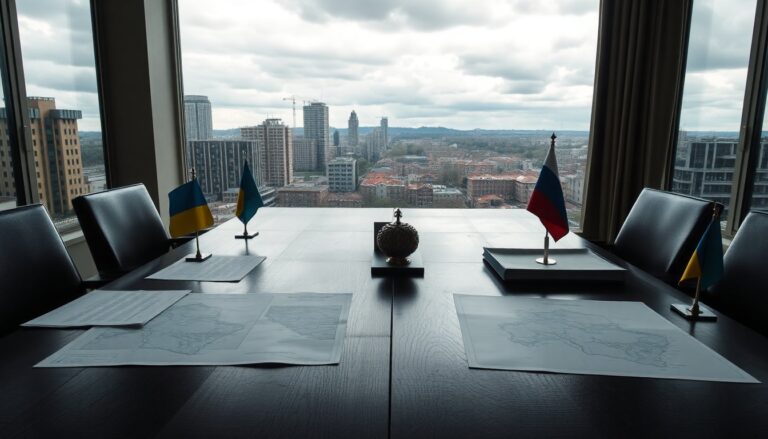
Amid escalating tensions and ongoing conflicts, the situation between Ukraine and Russia has captured global attention. Recently, former President Donald Trump stated that the two nations are nearing a peace agreement, despite continued military strikes in regions like Zaporizhzhia. The complexities of these negotiations have prompted Trump to send an envoy to Russia, setting the stage for potential discussions between him and the Russian President Vladimir Putin as well as Ukrainian President Volodymyr Zelensky once a deal is in place.
The Diplomatic Landscape
The ongoing dialogue surrounding the peace talks has been characterized by both optimism and skepticism. Washington and Kyiv have labeled recent discussions in Geneva as highly productive, committing to a rigorous approach in their diplomatic efforts. Moreover, the European Union has proposed an alternative strategy, consisting of 24 key points that challenge the 28 outlined by Russian diplomats Witkoff-Dmitriev.
Central to this plan is the rejection of territorial concessions and the preservation of Ukraine’s military capabilities.
Challenges and Opportunities
However, the intricacies of international relations present significant challenges. Under pressure from Trump to arrive at a compromise that many perceive as a capitulation, Zelensky has sought assistance from European leaders such as Emmanuel Macron, Friedrich Merz, and Keir Starmer.
The European response has been mixed; while there is a clear desire to support Ukraine, many nations remain cautious about fully endorsing an American-led initiative. With an ultimatum set to expire on November 27, the stakes are high for all parties involved.
Negotiation Strategies
According to the EU’s chief diplomat, Josep Borrell, the union is focused on two main objectives: first, to weaken Russia’s influence and, second, to bolster support for Ukraine. He downplayed the significance of Trump’s envoy’s plan, suggesting that the sustainability of Ukraine’s defense cannot rest solely on American intervention. This highlights a crucial point: European nations must unite and enhance their support for Ukraine, as the current geopolitical climate demands a cohesive response.
Internal Divisions within the EU
Despite the urgency of the moment, internal divisions within the EU complicate the response. Discussions around financial aid, including loans and grants, have stalled due to differing national interests. The proposal to use frozen Russian assets to fund Ukrainian assistance has sparked debate, with countries like Belgium expressing reservations. The financial implications of this decision could lead to a significant reevaluation of EU policies, particularly concerning the proposed €135 billion aid package.
Future Outlook
As President Zelensky travels across Europe, from Greece to France and onto Spain, he faces increasing scrutiny amidst corruption allegations that have emerged in recent weeks. This adds another layer of complexity to the diplomatic efforts as European allies wrestle with their own political dilemmas. The recent voting patterns concerning the Omnibus package reveal fractures within the pro-European coalition, with dissatisfaction toward the leadership of Ursula von der Leyen growing.
In light of these developments, it is clear that the path to peace in Ukraine is fraught with challenges. The interplay between international diplomacy and national interests will ultimately shape the outcome. The need for a decisive political resolution has never been more pressing, as the clock ticks down on the ultimatum and the world watches closely.
