

Uncover the bittersweet nature of Thanksgiving as we explore its historical impact on Indigenous communities in the United States.
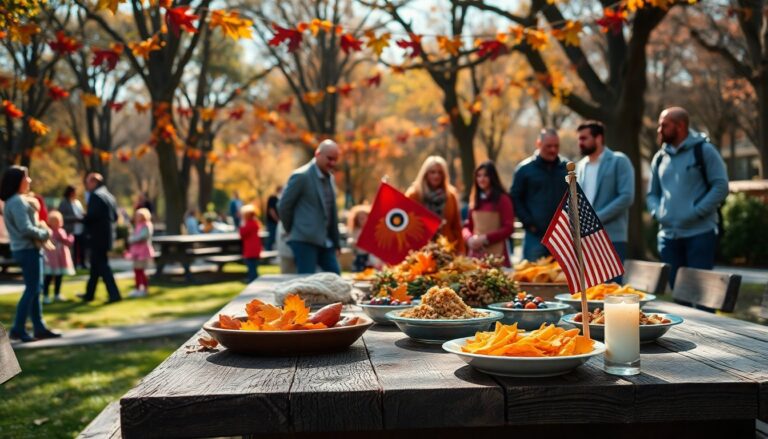
Thanksgiving, a day traditionally marked by family gatherings and abundant feasting, holds deeper meanings for many across the United States. While it is often viewed as a time for expressing gratitude, for numerous Indigenous Americans, this day serves as a poignant reminder of the profound loss and suffering their ancestors endured during the colonization of their lands.
As November approaches, the festive spirit permeates schools and public spaces, where decorations featuring turkeys, Pilgrims, and Indigenous figures in colorful attire abound. This imagery, while endearing in its simplicity, often glosses over the complex history surrounding the holiday, one that intertwines celebration with the narrative of invasion and tragedy.
The historical backdrop of Thanksgiving
The origins of Thanksgiving can be traced back to the early 1600s, a period marked by the arrival of European settlers in what is now the United States. The Plymouth Colony, established by the Pilgrims in 1620, faced severe hardships, including disease and famine.
It was only through the assistance of local Indigenous tribes that the settlers learned to cultivate the unfamiliar land.
The first Thanksgiving, often romanticized in popular culture, took place in 1621. It was a harvest feast shared between the Pilgrims and the Wampanoag people, yet the subsequent years were fraught with conflict as more settlers arrived, leading to the displacement of Native populations.
The impact of colonization
As the United States expanded westward, Indigenous peoples suffered forced removals and broken treaties. The Indian Removal Act of 1830, signed by President Andrew Jackson, epitomized this tragic chapter in American history, leading to the infamous Trail of Tears. This harrowing journey saw thousands of Native Americans forcibly relocated, resulting in immense suffering and death.
The Lumbee Nation, for example, is one of many tribes that have faced struggles for recognition and rights in the wake of these policies. Rene Locklear, a prominent figure in her community, emphasizes that federal recognition is not merely a matter of acknowledgment but a fundamental aspect of their sovereignty and self-governance.
Modern reflections on Thanksgiving
Today, Thanksgiving remains a deeply ingrained tradition in American society, yet its legacy continues to evoke mixed feelings. While many partake in the festivities, there is a growing movement among individuals and groups to recognize the historical injustices faced by Indigenous peoples.
Social media campaigns, educational programs, and community discussions aim to shift the narrative surrounding Thanksgiving. Instead of merely celebrating, many now advocate for a day of remembrance and reflection on the impact of colonization.
Challenges of recognition and sovereignty
In states like California, the aftermath of the Gold Rush in the 19th century led to further disenfranchisement of Indigenous tribes, such as the Mukame Ohlane. Chief Charlene Njemeh speaks on the challenges her people face in seeking recognition from the government, highlighting the ongoing struggle for a government-to-government relationship that validates their existence.
Similar stories resonate across the country, with many tribes working tirelessly to preserve their identities and advocate for their rights. The Bureau of Indian Affairs plays a crucial role in managing relations between the U.S. government and Native nations, yet jurisdictional conflicts often arise, complicating these relationships.
A path forward
Ultimately, the narrative of Thanksgiving invites critical reflection on the past and present. It encourages individuals to confront the uncomfortable truths of history while finding pathways to foster understanding and reconciliation. As awareness grows, so too does the recognition that the legacies of colonization should not be forgotten.
As Americans gather around their tables this Thanksgiving, let it be a moment not just for gratitude but also for honoring the resilience of Indigenous peoples and acknowledging the history that shaped their present.
