

Airline Operations Update Attention Passengers: Please be advised that due to ongoing software issues affecting the Airbus A320 family of aircraft, there may be potential delays and cancellations. We appreciate your understanding as airlines work diligently to resolve these matters. Your safety and travel experience are our top priorities. Thank you for your patience.
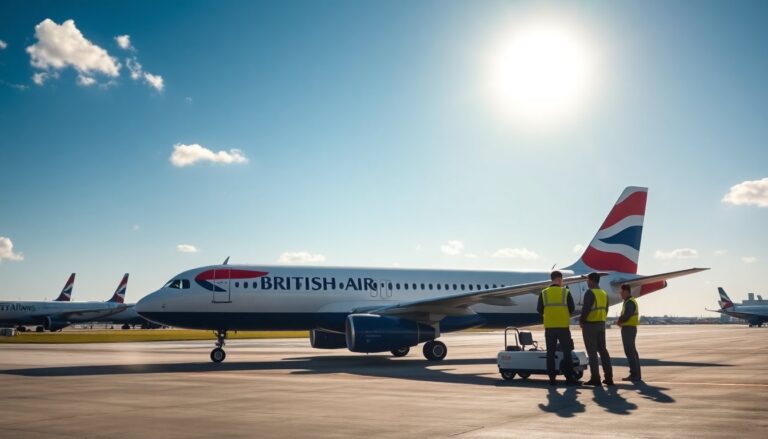
The aviation industry faces heightened scrutiny as numerous Airbus A320 family aircraft prepare for urgent software updates. These updates address vulnerabilities arising from intense solar radiation. This situation may result in significant flight disruptions for several major airlines, including British Airways, easyJet, and Wizz Air.
The European Union Aviation Safety Agency (EASA) has issued directives to uphold aircraft safety during this crucial period.
Background of the issue
The issue centers on the elevator aileron computer (Elac), a vital system that governs the aircraft’s pitch and turning capabilities.
Concerns arose following an incident involving a JetBlue flight traveling from Cancun to Newark. The aircraft experienced an unexpected altitude drop, resulting in injuries to several passengers. This incident led Airbus to caution that solar radiation might interfere with essential flight control data.
Impact on airlines and passengers
Over 6,500 Airbus A320 family aircraft are estimated to be affected by a recent software issue. The Civil Aviation Authority has mandated that these aircraft undergo necessary software modifications or remain grounded until the updates are completed. Each update is anticipated to take about two hours; however, potential delays may occur due to tight airline schedules.
British Airways has reported that only three of its aircraft are impacted, with updates scheduled to be conducted overnight to minimize disruption. In contrast, Colombian airline Avianca has announced that nearly 70% of its fleet will be affected, resulting in considerable operational challenges.
Airlines’ responses and safety measures
In light of the anticipated disruptions, airlines such as easyJet and Wizz Air have taken proactive steps to communicate with their passengers. Both airlines emphasize that safety is their top priority. EasyJet, which operates an all-A320 fleet, has committed to promptly notifying customers of any schedule changes. Meanwhile, Wizz Air is implementing necessary measures to meet software update requirements, which may impact some flights over the weekend.
Expert insights and future implications
Travel experts are voicing concerns about the current situation but stress that established safety protocols ensure the security of air travel. Simon Calder, a prominent travel authority, remarked that while the circumstances are concerning, the aviation industry is dedicated to maintaining high safety standards. He pointed out that most passengers may not be eligible for compensation, as this issue lies beyond the airlines’ control.
The A320 family has emerged as the world’s leading short-haul aircraft, recently surpassing the Boeing 737 in deliveries. In September alone, it operated over 1.4 million flights. The urgent need for modifications serves as a stark reminder of the challenges the aviation sector faces in balancing safety with operational efficiency. As these updates are implemented, passengers should remain informed about any changes to their travel plans.
Airlines adapt to challenges while ensuring passenger safety
The current situation highlights the critical need for adaptability within the aviation sector. Airlines face unforeseen challenges as they prioritize passenger safety. With the implementation of software updates, the emphasis remains on enabling the affected aircraft to resume operations without sacrificing safety standards.
