

Explore the harsh realities of life in Gaza City, where families face devastation and children enter the workforce to support their loved ones.
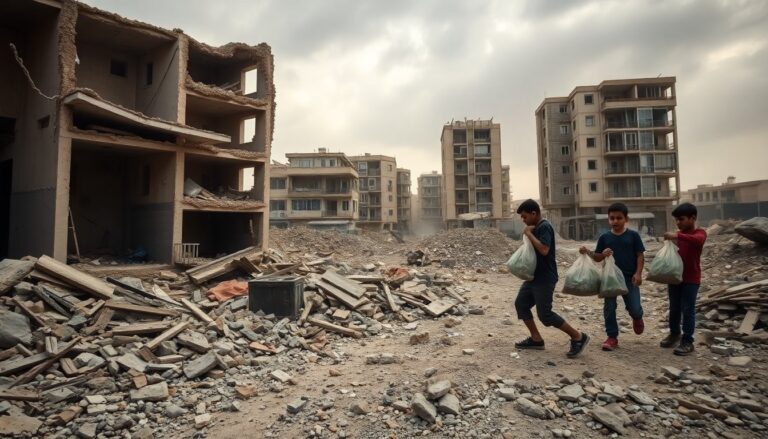
The situation in Gaza City continues to deteriorate as Israeli forces demolish residential structures beyond the designated yellow line. This ongoing conflict devastates the physical landscape and deeply affects the lives of its inhabitants, forcing many families into dire circumstances.
In the face of such adversity, children assume roles traditionally held by adults, taking on jobs to contribute to their families’ survival. The harsh reality compels the younger generation to sacrifice their childhoods for economic necessity.
The facts
The demolitions in eastern Gaza City are a grim reality for many residents.
These actions result in the loss of homes and strip families of their sense of security and stability. Each demolition leaves behind a trail of despair, displacing families and leaving them without shelter.
The psychological toll on the community is significant.
The loss of a home signifies more than the destruction of a physical structure; it represents the severing of community ties and the fracturing of familial support systems. Many families now grapple with the challenges of finding new places to live, often in overcrowded conditions.
Children stepping into labor roles
As destruction continues, the burden of survival increasingly falls on the youngest members of society. In Gaza, children often engage in various forms of labor, a stark departure from their intended purpose of education and play. This shift underscores the urgent need for economic support within the region.
Many children enter the workforce out of necessity, taking on jobs that expose them to hazardous conditions. Whether working in local markets or assisting in manual labor, these children embody the resilience of their community. However, their situation raises critical questions about the long-term implications of child labor in a region already strained by conflict.
The broader impact on families
The economic pressures leading children to work indicate a larger crisis affecting families in Gaza. As demolitions persist, parents struggle to provide for their families with limited resources. Instability and uncertainty surrounding living conditions exacerbate the fight for financial security.
Families often find themselves trapped in a cycle of poverty, where home destruction leads to further economic hardships. This cycle affects the immediate well-being of families and has long-term consequences for the children involved. Education becomes a secondary priority when basic survival is at stake.
Seeking hope amid adversity
Despite overwhelming challenges, glimmers of hope emerge as community organizations and international aid groups work to provide support. Initiatives focused on rebuilding homes and offering educational resources for children are vital in addressing the needs of this population.
Awareness surrounding the plight of families in Gaza continues to grow, leading to increased advocacy for humanitarian assistance. These efforts are crucial in ensuring that children can return to their studies and reclaim their childhoods, rather than being forced into labor.
In the face of such adversity, children assume roles traditionally held by adults, taking on jobs to contribute to their families’ survival. The harsh reality compels the younger generation to sacrifice their childhoods for economic necessity.0
