Wales' largest hospital is facing significant infrastructure challenges that threaten patient safety and adversely affect staff morale.
Topics covered
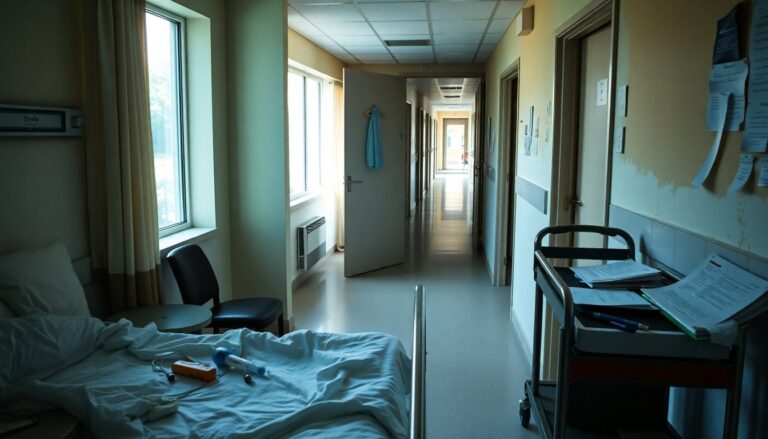
The University Hospital of Wales, the largest healthcare facility in the region, is under scrutiny due to reports of deteriorating conditions affecting both patients and medical staff. A letter signed by nearly 300 consultants highlighted a crisis in morale, attributing it to widespread infrastructure failures and environmental hazards.
Reports from hospital employees and families of patients reveal distressing situations. For example, a 77-year-old emphysema patient described enduring freezing temperatures due to a malfunctioning heating system. Another account recounted an 80-year-old’s harrowing journey through filthy, pigeon-infested tunnels shortly before his passing.
Alarming accounts from patients and staff
One hospital staff member described the underground tunnels as being overrun with pigeons that have made nests in poorly maintained areas. Buckets are scattered throughout the ward to catch water from frequent leaks, creating an environment that is not only unpleasant but also poses health risks.
These concerns were echoed in a recent report revealing instances of pigeons being found in operating theatres, raising serious questions about the hospital’s sanitary conditions. The daughter of a recently deceased patient recounted her father’s distressing experience of being transported through these tunnels, which were littered with waste and dampness. She described a moment where the ceiling dripped water onto her father while he was being wheeled to a different unit for treatment.
Challenges faced by hospital personnel
Healthcare professionals at the hospital have expressed frustration over deteriorating working conditions. John Ball, a patient treated for emphysema, shared his experience of enduring three days without adequate heating in his ward. He emphasized the vulnerability of patients, stating, “The ward was full of extremely ill individuals, and the cold posed a significant danger to their health.” Ball noted that staff had repeatedly reported the heating issue to management but received little response until he threatened legal action.
Despite these challenges, the dedication of the hospital staff remains unwavering. One nurse, who wished to remain anonymous, expressed concern over the situation, stating, “It’s unbelievable, and there’s nothing the staff can do about it.” Her remarks reflect a broader sentiment among healthcare workers who feel overwhelmed by the hospital’s deteriorating state.
Systemic problems within the hospital’s infrastructure
The issues plaguing the University Hospital of Wales are not new. Former employees have highlighted ongoing safety risks stemming from the hospital’s outdated infrastructure. One ex-worker shared an image showing water collecting in buckets in a sterile environment meant for surgical instrument cleaning. This situation raises serious alarms regarding the hospital’s commitment to maintaining a safe and clean environment for patient care.
Moreover, a recent report on the hospital’s operating theatres pointed out chronic leaks, which threaten patient safety and contribute to a cluttered working environment for medical staff. Poor lighting conditions in the theatres further complicate surgical procedures, posing additional risks for patients.
Urgent need for improvements
As concerns continue to grow, the health board has promised to address the issues raised by staff and patients. A spokesperson acknowledged the discomfort that often accompanies hospital stays and reiterated their commitment to modernizing and maintaining the hospital’s infrastructure. They revealed plans for improvements, including the installation of a new roof.
However, many are skeptical about the efficacy of these promises. In a letter from the health board’s senior consultants, they expressed deep concern over ongoing sewage leaks, water damage, and inadequate cleanliness. They also mentioned that plans for a new hospital have seemingly stalled without communication from the authorities.
Reports from hospital employees and families of patients reveal distressing situations. For example, a 77-year-old emphysema patient described enduring freezing temperatures due to a malfunctioning heating system. Another account recounted an 80-year-old’s harrowing journey through filthy, pigeon-infested tunnels shortly before his passing.0