

Airbnb Appeal Denied in Musselburgh Due to Noise Complaints Impacting Neighbors
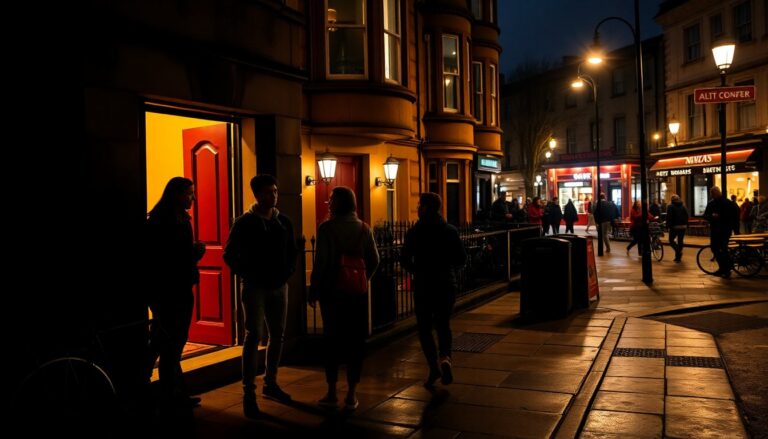
The picturesque city of Edinburgh, renowned for its vibrant nightlife, attracts visitors seeking an exciting getaway. However, a recent ruling by a Scottish Government Reporter has highlighted the potential conflict between tourists and local residents. This decision arose from an appeal concerning a well-frequented Airbnb located in Musselburgh, a suburb just outside the capital.
The core issue centered on guest behavior, particularly their tendency to engage in late-night outings. Critics argued that this could lead to noise disturbances, negatively impacting the tranquility of the surrounding neighborhood. The findings underscore a growing tension between the booming short-term rental market and the needs of local communities.
Understanding the ruling
In evaluating this case, the Scottish Government Reporter considered various factors. Primarily, the emphasis was placed on feedback from residents living adjacent to the Airbnb property. Numerous complaints highlighted the discomfort caused by visitors returning from nights out, often resulting in increased noise levels.
The residents’ perspective
Many residents expressed concerns that the influx of tourists could disrupt their daily lives. They described instances where guests were loud and unruly during late hours, affecting their peace. In contrast, supporters of the Airbnb claimed that the economic benefits associated with such rentals could not be overlooked. They argued that the additional income generated could support local businesses and contribute to the area’s economy.
Despite these arguments, the Reporter ultimately sided with the residents, emphasizing the importance of maintaining community harmony. This decision signals a potential shift in how authorities might handle similar cases in the future.
The Airbnb landscape in Scotland
Scotland boasts an impressive number of short-term rentals, with over 30,000 active listings, according to recent statistics. The popularity of platforms like Airbnb has soared, offering unique accommodations ranging from historic castles to modern cabins. However, this surge has also raised questions about the sustainability of such a model.
Balancing tourism and community needs
As tourism continues to grow, local authorities face the challenge of ensuring residents’ needs are met while promoting economic development. The situation in Musselburgh serves as a case study for other regions grappling with similar issues.
In light of the ruling, property owners and prospective hosts may need to consider the implications of their rentals on surrounding neighborhoods. Striking a balance between accommodating guests and respecting community dynamics is essential for fostering positive relationships.
Future implications for Airbnb hosts
The outcome of this appeal could set a precedent for future cases involving short-term rentals in Scotland. Hosts may need to implement stricter guidelines to minimize disturbances and ensure compliance with local regulations. Measures such as establishing quiet hours or providing guests with clear expectations could enhance the experience for both visitors and residents.
Furthermore, the ruling could encourage other communities to voice their concerns regarding short-term rentals, potentially leading to more stringent regulations across the board. This shift may ultimately reshape the landscape of Airbnb accommodations in Scotland.
The core issue centered on guest behavior, particularly their tendency to engage in late-night outings. Critics argued that this could lead to noise disturbances, negatively impacting the tranquility of the surrounding neighborhood. The findings underscore a growing tension between the booming short-term rental market and the needs of local communities.0
