

Olive Farmers in the West Bank: Overcoming Unprecedented Challenges in 2023 This year, olive farmers in the West Bank are confronting significant obstacles, including increased violence and stringent military restrictions that hinder their harvesting efforts. Despite these challenges, they remain resilient and determined to sustain their livelihoods and preserve their agricultural heritage.
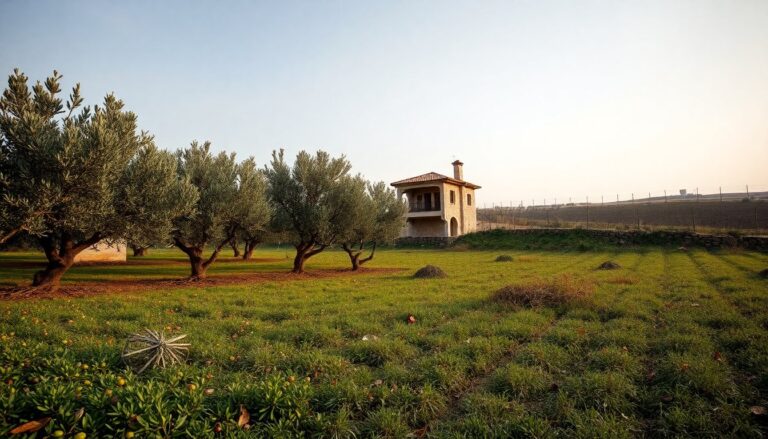
In the tranquil hills of Deir Ammar, a village in the occupied West Bank, the annual olive harvest has become a stark reminder of the ongoing struggles faced by local farmers. The Othman family, who have cultivated their ancestral olive groves for generations, now sit in silence, reflecting on a year devoid of the joyous sounds of harvest.
Instead of laughter and camaraderie, they find themselves confined to their homes, unable to access their land due to threats from armed Israeli settlers and military prohibitions.
Ali Badaha, aged 60, along with his cousins Ismail and Izzat, recalls a time when the groves were alive with activity.
The memories of family picnics and the vibrant atmosphere of harvesting olive trees now seem like a distant dream. This year, however, their trees remain untouched, and the usual festivities have been replaced by a somber gathering of family members who long for what once was.
The impact of violence and restrictions
One of the most poignant stories comes from Yousef Dar al-Musa, a 67-year-old farmer who recently suffered a brutal assault by settlers while tending to his land. With over 450 olive trees, Yousef’s livelihood is deeply intertwined with the land he has inherited from previous generations. His anger and indignation are palpable as he questions the presence of settlers on his ancestral land, declaring, “Who are you, man? Where did you come from?” His experience is not isolated; many farmers in the region face similar threats when they attempt to access their land.
Loss of livelihood
For farmers like Yousef, the olive harvest represents more than just a seasonal activity; it is a vital source of income. Olive oil production accounts for a significant portion of the agricultural output in Palestine, contributing approximately $120 million to $140 million to the economy. Yet, this year, the situation has drastically changed. With military orders declaring vast areas off-limits, local farmers estimate that around 80 percent of the olive trees in Deir Ammar have been left unpicked.
As the harvest season typically runs from October to November, the local olive press would be bustling with activity, producing thousands of tins of olive oil. However, this year, those machines sit idle, with the village’s output shrinking to a mere 30 tins—a staggering decline compared to previous years.
Settler expansion and military control
The history of land confiscation in the region stretches back decades. Since Israel’s occupation of the West Bank in 1967, farmers have faced increasing challenges, including the expansion of illegal settlements that encroach upon their land. In Deir Ammar, settlers have claimed approximately 7,000 dunums (over 1,700 acres), facilitated by military backing. This relentless expansion has left families like the Othmans grappling with the loss of their inheritance.
The role of military orders
This year, the Israeli military has intensified its use of closed military zones, effectively barring farmers from reaching their olive groves. Reports indicate that the army has declared over 25,000 dunams of olive orchards off-limits, an unprecedented measure that has severely disrupted the harvest. Local authorities and human rights organizations are raising alarms about the misuse of these orders, which have become a tool to restrict Palestinian access to their lands.
Farmers are often met with orders that are presented on-site, sometimes retroactively, hindering their ability to collect olives. According to Kai Jack, a field coordinator with Rabbis for Human Rights, the coordination between settlers and military forces is evident, as they work in tandem to impede the harvest.
A glimmer of resilience
Despite these challenges, the spirit of the community remains strong. In Burin, another village facing similar challenges, families gather under less hostile conditions, attempting to salvage what they can from their harvest. Laith Castro, a young farmer, reflects on the limited access to his family’s olive groves and the impact of settler violence on their operations.
While the harvest is bleak this year, the determination to resist continues. Villagers share stories of small victories, standing together against the oppressive conditions they face. The resilience of these farmers highlights the enduring connection between the land and the people, a bond that remains unbroken despite the turmoil surrounding them.
