

World Cup 2023: A Reflection on Unity and Immigration Policies The forthcoming World Cup serves as a powerful reminder of the contrasting themes of unity and division present in our global society. While the tournament embodies the spirit of togetherness and celebration, it also casts a spotlight on the pressing issues surrounding current immigration policies. This juxtaposition invites critical dialogue on how we can harmonize the joy of international sporting events with the realities of...
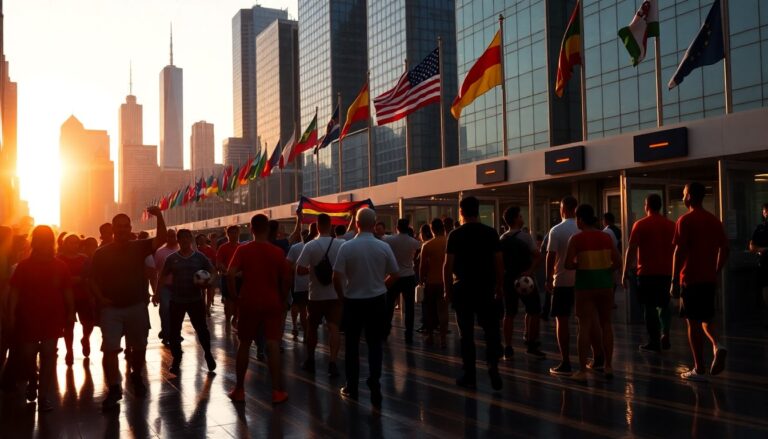
The anticipation surrounding the 2026 World Cup, which will be co-hosted by the United States, Canada, and Mexico, has ignited conversations about global unity and inclusivity. Andrew Giuliani, executive director of the White House Task Force on the World Cup, highlighted the event as an opportunity to create a welcoming environment for international fans.
However, the reality of U.S. immigration policies, particularly those enacted under President Donald Trump, presents a conflicting narrative.
Contradictions in policy and rhetoric
While Giuliani expressed a commitment to streamlining visa processes for fans from around the world, significant issues within the immigration policy persist.
Notably, there are no exemptions for fans from 19 countries currently affected by travel bans. This situation raises concerns about the extent of the promised inclusivity at such a prominent global event.
The implications of travel bans on tournament participation
Two nations affected by travel bans, Haiti and Iran, are scheduled to compete in the upcoming tournament. Giuliani confirmed that players and essential staff would be granted the necessary visas. However, fans from these countries encounter significant obstacles. This stance from the administration raises questions about its commitment to creating a welcoming environment.
The situation is exacerbated by the administration’s intensified immigration policies. Activists, including Daniel Norona from Amnesty International, have denounced these policies as fundamentally contradictory to the principles of the World Cup, which promotes openness and global unity.
Concerns over safety and community response
The prospect of Immigration and Customs Enforcement (ICE) raids during the tournament raises significant concerns among communities. With around 14 million undocumented individuals living in the U.S., many are enthusiastic supporters of the sport. Comments made by Giuliani about prioritizing the safety of American citizens have sparked fears regarding the potential targeting of undocumented fans during the event.
The chilling effect on participation
Concerns have been raised regarding the potential “chilling effect” of recent policies, which may deter fans from attending events. The fear of enforcement actions can foster an unwelcoming atmosphere for everyone, including players and supporters. This environment of hostility undermines the World Cup’s core mission of unity and inclusivity.
Furthermore, these policies extend their reach to legal residents and visitors, reflecting a broader trend of exclusion. Recent deportations of individuals who have openly criticized U.S. policies underscore the precarious situation many face, particularly those wishing to engage in World Cup celebrations.
FIFA’s responsibility and the call for action
As the governing body of soccer worldwide, FIFA faces mounting pressure to advocate for human rights in the lead-up to the upcoming tournament. Advocates are calling for FIFA to uphold the principles of inclusivity and anti-discrimination throughout the event. Critics contend that the lack of strong anti-racism messages in previous tournaments highlights a concerning alignment with the current administration’s policies.
In response to these challenges, Minky Worden from Human Rights Watch has urged FIFA to honor its commitment to staging a World Cup free from human rights violations. The organization must prioritize the urgent need for a safe and welcoming environment for all participants and fans.
As the World Cup approaches, the contrast between the tournament’s ideals and America’s immigration policies raises critical questions about unity, safety, and the authentic spirit of the event.
