

Optimize Your Home for Winter: Effective Firewood Storage Techniques Keep your home warm and safe this winter by mastering essential firewood storage techniques. Properly storing firewood not only enhances your heating efficiency but also ensures safety, preventing hazards associated with damp or improperly stacked wood. 1. Choose the Right Location: Select a dry, well-ventilated area away from your home’s foundation to minimize the risk of pests and moisture damage. 2. Elevate Your...
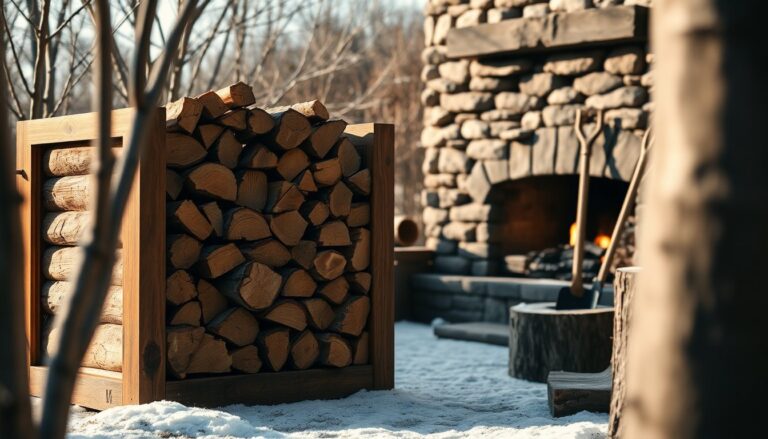
As the festive season approaches, many families in the UK are turning to wood burners to create a warm and inviting atmosphere. Approximately 1.5 million households rely on wood as a primary fuel source during colder months, according to statistics from the UK Government.
However, it is crucial to avoid common pitfalls that can compromise home safety and efficiency.
Robin Antill, founder of 1st Choice Leisure Buildings, stresses the importance of using dry firewood for optimal performance. He highlights that burning wet wood can produce up to 50% more emissions compared to properly dried wood.
This insight is particularly relevant in light of new regulations regarding firewood sales that began in.
Understanding the risks of burning wet wood
With over four decades of experience in the garden buildings industry, Robin warns that burning wet wood not only increases pollution but also leads to condensation buildup in chimneys.
Such buildup can heighten the risk of chimney fires, making it essential for homeowners to follow government recommendations.
Impact of wet wood on heating efficiency
Research from the UK Government indicates that dry wood is more efficient and generates less soot compared to wet wood. Homeowners can significantly reduce emissions—by as much as 50%—by using adequately dried logs. This has important implications for indoor air quality and environmental health, underscoring the necessity of proper wood storage.
Best practices for storing firewood
To ensure effective burning, Robin offers several key storage tips aimed at maximizing heat output while minimizing health risks. First, firewood should be stored off the ground to prevent moisture absorption. When logs are placed directly on damp earth, they are susceptible to decay, which not only affects their burning quality but also attracts unwanted pests.
Elevating and protecting your firewood
By elevating firewood approximately three inches above the ground using materials like concrete or bricks, homeowners can significantly reduce moisture accumulation. It is advisable to cover only the top part of the wood pile with a weatherproof tarp or similar material. This method allows air to circulate around the sides while protecting the top from rain.
Proper stacking is also vital for effective drying. Logs should be arranged in a single row with the bark facing upwards and slight gaps between each log to facilitate airflow. Positioning the stack in a well-ventilated area will further aid in drying out the wood. Robin notes that the way wood is stacked can influence its drying time and prevent the growth of fungi.
Optimal storage locations
For those fortunate enough to have an outbuilding, this often serves as the best option for firewood storage. An enclosed space effectively shields the wood from moisture and pests. However, if such facilities are unavailable, a sheltered patio or porch can serve as a suitable alternative.
Another recommendation from Robin is to regularly rotate your wood supply. This practice ensures that older logs are used first, maintaining a readily available source of dry firewood and reducing smoke production during burning.
By following these expert recommendations, homeowners can create a warm, cozy atmosphere for family gatherings in winter while ensuring safety and efficiency in their heating practices. Proper firewood management not only enhances home comfort but also contributes to a healthier environment.
