

As tensions rise, Putin's statements reveal a steadfast commitment to military action in Ukraine's Donbas region.
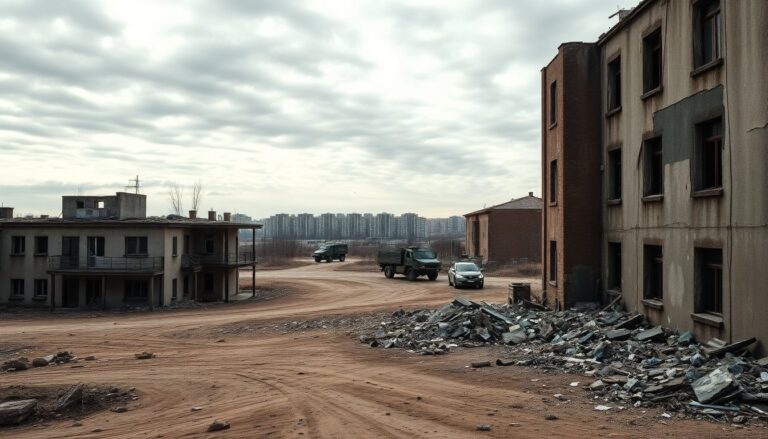
In a recent interview, Russian President Vladimir Putin made it clear that Russia is prepared to assert its control over Ukraine’s eastern Donbas region through military means if necessary. This declaration comes on the heels of discussions with U.S.
negotiators that have not yielded positive results, further complicating the path to peace.
Putin’s statements, broadcasted on Indian media, starkly contrast with earlier claims from former U.S. President Donald Trump, who suggested that the Russian leader was open to negotiation.
This discrepancy raises questions about the sincerity of Russia’s diplomatic overtures and its ultimate objectives in the ongoing conflict.
Putin’s unwavering stance on Donbas
During an interview with India Today TV, Putin emphasized that the future of the Donbas region could only be secured through a decisive military approach.
He remarked, “It all boils down to this: either we will liberate these territories by force, or Ukrainian troops will vacate the area.” Such comments underscore Russia’s long-standing ambition to dominate the Donetsk and Luhansk regions, which have been embroiled in conflict for eight years, primarily due to the activities of Russian-backed separatists.
Historical context of the conflict
The roots of this conflict can be traced back to February, when Putin mobilized tens of thousands of troops into Ukraine, igniting a fierce struggle for control over these territories. The Kremlin’s narrative has consistently advocated for the recognition of its authority over the Donbas, further complicating diplomatic discussions with Western powers.
Amidst this backdrop, reports indicate that U.S. envoys Steve Witkoff and Jared Kushner are scheduled to meet with Ukrainian negotiator Rustem Umerov to review the stalled peace talks. As these discussions unfold, the embattled Ukrainian President Volodymyr Zelenskyy faces formidable challenges, including a domestic corruption scandal and the pressing threat of Russian advancement.
The implications of stalled negotiations
Despite ongoing dialogues, the prospect of reaching a comprehensive peace agreement seems dim. Zelenskyy has expressed that he lacks the authority to concede any Ukrainian territory, citing constitutional prohibitions against territorial cession. This stance is mirrored by the widespread sentiment among Ukrainian leaders that Russia should not be rewarded for its aggressive maneuvers.
The recent discussions between Russia and the U.S. have revealed stark differences in their positions. Moscow has reiterated its desire for full control over the Donbas, while Washington has been urged to recognize this claim informally. The intricacies of these negotiations are further complicated by Trump’s earlier released 28-point plan, which proposed significant concessions from Ukraine, including territorial compromises and military restrictions.
International reactions and future prospects
Following intense backlash against the initial proposals, Ukrainian negotiators sought to amend the plan, resulting in a more palatable 19-point framework. The current status of these discussions remains ambiguous, with both sides entrenched in their respective positions. Putin’s advisor Yury Ushakov has indicated that multiple documents are under consideration, yet the core demands appear unchanged.
As the situation evolves, the Russian military continues to conduct operations, with reports of ongoing attacks on civilian areas across Ukraine. Notably, a recent missile strike in Kryvyi Rih resulted in injuries to several individuals, including a child. Such incidents not only exacerbate humanitarian concerns but also highlight the urgent need for a resolution to the conflict.
Conclusion: The path forward
In summary, the ongoing war in Ukraine remains fraught with complexities and uncertainties. Putin’s commitment to military action, coupled with Zelenskyy’s firm stance against territorial concessions, creates a challenging environment for peace negotiations. As international actors continue to monitor the situation, the potential for escalation looms large, necessitating an urgent and coordinated response from the global community.
Ukraine’s military leadership has reaffirmed their control over key areas, with approximately 5,000 square kilometers of the Donetsk region still under Ukrainian defense. As both sides brace for continued conflict, the hope for a diplomatic resolution appears increasingly fragile.
