

Discover the latest insights into urban crime trends and the safety measures implemented by cities to protect their citizens.
Understanding urban crime trends
Urban crime has experienced significant fluctuations, leading cities around the world to modify their safety measures. Analyzing crime dynamics in urban areas is essential for developing effective public safety strategies. This article examines key crime trends and the measures cities are implementing to protect their residents.
The facts
Urban crime is shaped by a range of factors, including socio-economic conditions, policing strategies, and community involvement. Analysis of crime statistics indicates that specific types of crime, such as theft and violent crime, often peak during particular times or under certain conditions.
For example, data indicates that property crimes typically increase during economic downturns, as individuals may turn to illegal activities out of desperation.
The dynamics of crime during the pandemic
The COVID-19 pandemic has significantly altered crime patterns. Lockdowns resulted in a decrease in certain crimes, like petty theft, while reports of domestic violence incidents surged.
In response, local law enforcement agencies have had to adjust their strategies to effectively manage these evolving patterns.
Advancements in policing strategies
Cities are increasingly utilizing data analytics and predictive policing. By analyzing historical data, law enforcement can pinpoint potential crime hotspots, enabling a more proactive approach. This transition from reactive to proactive policing aims to deter crime before it occurs, rather than merely responding to incidents after they happen.
The facts
Urban areas are implementing various public safety measures in response to evolving crime trends. Community policing has become a significant strategy. This approach fosters trust and collaboration between law enforcement and the communities they serve. Initiatives such as neighborhood watch programs and community engagement events have demonstrated effectiveness in reducing crime rates and enhancing public safety.
The role of technology
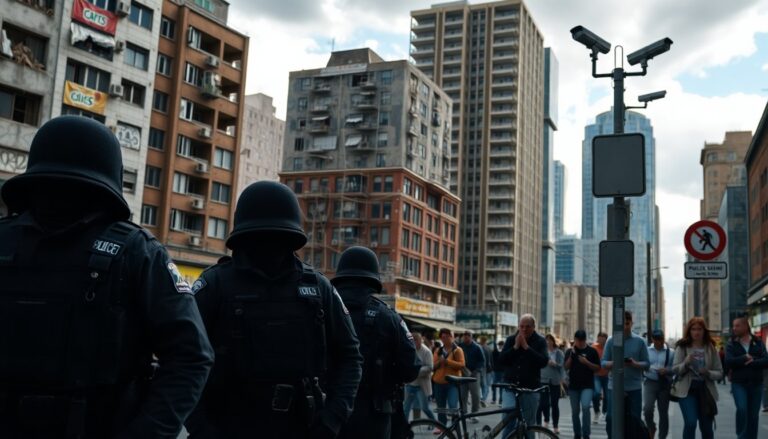
Technology is critical in modern public safety efforts. Cities are investing in surveillance systems, crime mapping software, and emergency alert systems to improve response capabilities. The integration of smart cameras with artificial intelligence enables real-time monitoring and faster response to incidents.
Addressing mental health
Mental health resources are increasingly integral to urban safety strategies. Cities recognize the connection between mental health issues and crime, partnering with health organizations to offer support and intervention programs. This holistic approach seeks to address the root causes of criminal behavior rather than merely treating symptoms.
The importance of community engagement
Community engagement plays a crucial role in the effectiveness of public safety measures. When residents actively participate in their community’s safety initiatives, they are more inclined to report suspicious activities and collaborate with law enforcement. Cities are increasingly organizing forums and workshops aimed at educating citizens about crime prevention and safety practices.
Moreover, equipping citizens with knowledge about their legal rights and self-defense can significantly strengthen community resilience. Programs focused on youth engagement, such as mentorship and skills training, offer positive alternatives and support systems for at-risk individuals, thereby contributing to crime reduction.
A comprehensive approach that integrates data analysis, community involvement, and innovative technology is essential for effectively tackling urban crime. Cities must stay adaptable and responsive to evolving trends to ensure the safety and well-being of their residents.
