

Professional Summary: Dynamic and results-driven professional with a strong background in humanitarian initiatives and conflict resolution. Proven experience in advocating for humanitarian aid and fostering dialogue for sustainable peace in high-stress environments. Adept at mobilizing resources and coordinating efforts to address urgent needs in crisis situations, particularly in regions facing intense conflict, such as Gaza. Key Skills: Crisis Management Humanitarian Aid Coordination...
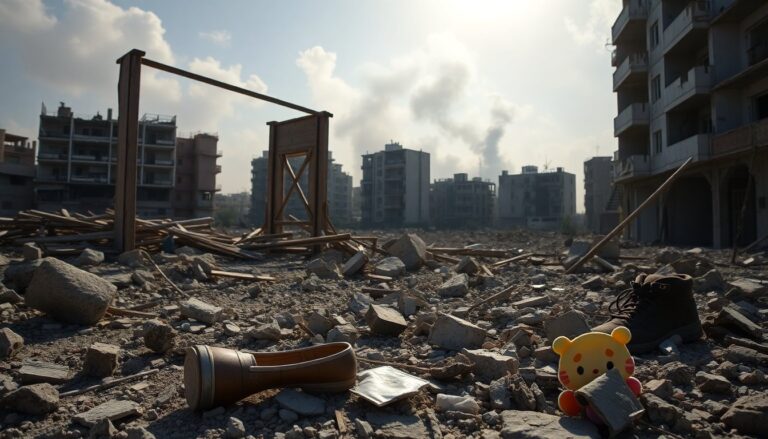
The ongoing conflict in Gaza has reached a critical juncture, marked by intensified airstrikes by Israeli forces despite a declared ceasefire. Residents of Gaza City face the daunting task of rebuilding their lives amidst the rubble of destroyed homes. This dire situation is compounded by escalating humanitarian needs, underscoring the urgent requirement for effective mediation and a lasting peace agreement.
Recent air raids have struck various locations, including the densely populated Maghazi refugee camp, resulting in civilian injuries and damage to vital infrastructure. As calls for a ceasefire resonate globally, the reality on the ground presents a stark picture of ongoing violence and suffering.
Escalation of violence contradicts ceasefire agreement
In a surprising turn of events, reports indicate that Israeli military actions have led to at least 20 airstrikes across different regions of Gaza, encompassing northern towns and central areas. These strikes have occurred under the pretext of maintaining security but have resulted in widespread destruction and civilian casualties.
The airstrikes have targeted not only military installations but also residential neighborhoods, further complicating the humanitarian crisis.
International mediators express concern over these violations, noting that the ceasefire established on October 10 faces significant challenges. Since the agreement took effect, there have been over 600 reported violations, with continuous air and artillery assaults noted in various regions such as Beit Lahiya and the eastern areas of Gaza.
Humanitarian implications and international responses
In the midst of military actions, humanitarian organizations are sounding alarms about the critical needs of the Palestinian population. With temperatures dropping and essential supplies dwindling, there is an urgent call for international assistance. U.S. Congresswoman Ayanna Pressley has been vocal in urging the State Department to prioritize humanitarian aid, emphasizing that the lives of children are at stake. Her poignant remarks highlighted the tragedy of families suffering from a lack of medical care, many waiting for treatment in freezing conditions.
Pressley recounted the heart-wrenching story of a mother who lost her son due to delays in receiving essential medical assistance, drawing attention to the broader humanitarian crisis facing Gaza’s residents. Activists in the U.S. have taken to the streets, protesting against companies facilitating military shipments to Israel and demanding accountability and an end to complicity in these actions.
Regional and global reactions to the Rafah crossing plans
The international community has expressed strong disapproval of Israel’s proposed one-way exit plan for the Rafah crossing. This initiative would allow Palestinians to leave Gaza while preventing their return, effectively displacing residents and denying them access to humanitarian aid. Foreign ministers from several Muslim-majority nations, including Egypt and Qatar, have condemned this plan, asserting that it contradicts the principles of humanitarian assistance and the rights of the Palestinian people.
As tensions rise, the situation at the Rafah border crossing remains precarious, with calls for its reopening in both directions to facilitate the flow of aid and allow for medical evacuations. The ministers emphasized the need for Israel to adhere to previous agreements, advocating for a sustainable solution that acknowledges the Palestinian right to self-determination.
Looking forward: The path to sustainable peace
As discussions at international forums continue, Qatari officials and others are advocating for a comprehensive peace framework that includes the establishment of a Palestinian state. The call for a two-state solution resonates strongly among Arab nations, who seek stability and peace in the region. Turkish officials have underscored the necessity of an international stabilization force to separate conflicting parties and ensure civilian protection.
Despite ongoing violence and challenges, the chorus of voices calling for an end to hostilities and a return to negotiations is growing louder. The world is watching as the situation in Gaza evolves, hoping for a resolution that prioritizes peace and the rights of its people amidst the turmoil.
