

Professional Summary Dedicated and proactive Member of Parliament (MP) with a strong track record in addressing constituents' concerns, particularly regarding long commutes and housing issues. Advocates for fair compensation and support for those affected by lengthy travel times while balancing fiscal responsibility and social welfare policies. Committed to enhancing the quality of life for citizens through effective legislative initiatives and community engagement. Key Skills Legislative...
“`html
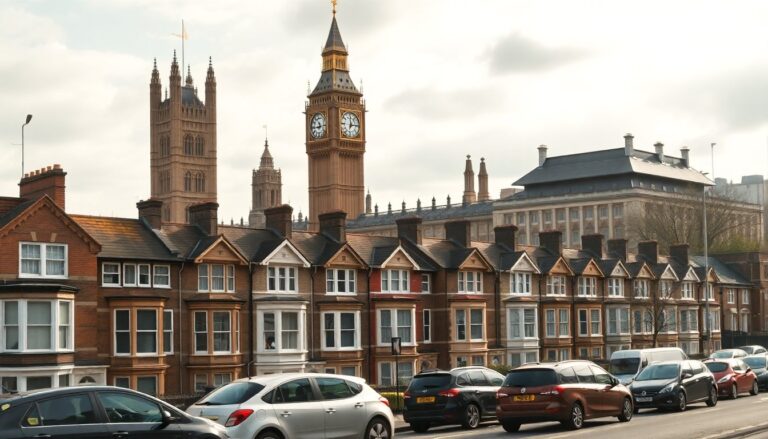
Discussions among UK Members of Parliament (MPs) reveal a growing concern about housing costs. MPs representing areas within a 35-minute commute from Parliament are requesting the right to claim more than the current cap of £30,000 annually for second home expenses.
This request arises amid ongoing austerity measures targeting welfare benefits, notably affecting vulnerable demographics.
Following public outcry in 2009, MPs outside London cannot claim expenses for flats near the Houses of Parliament. Instead, they receive a limited London area living payment of £6,570.
This has sparked debate about the fairness and sustainability of the current system, particularly in light of the financial pressures faced by ordinary citizens.
The facts
The comparison between MPs’ expense claims and the financial realities of their constituents raises ethical concerns.
MPs such as Kemi Badenoch and Darren Jones have submitted significant rent claims that exceed the average salaries of their constituents. For example, Darren Jones, while serving as chief secretary to the prime minister, claimed £39,428 in rent for a recent fiscal year, in addition to £2,747 for hotel expenses. This is notable given that the average income for residents in his Bristol North West constituency is around £32,000 annually.
Contrasting political stances on welfare reform
As MPs like Jones advocate for cuts to welfare benefits—including winter fuel payments and disability assistance—they simultaneously benefit from taxpayer-funded housing allowances. Critics argue that these lawmakers, intended to represent their constituents’ interests, are insulated from the hardships they legislate against. For instance, Jonathan Reynolds, another Labour MP, claimed £38,500 for rent, contrasting sharply with the £31,000 average income of his Stalybridge and Hyde constituents.
This disparity underscores a significant disconnect between the political class and the realities faced by citizens struggling with rising living costs and stagnant wages.
Calls for accountability and reform
The situation has prompted demands for greater transparency and reform of the parliamentary expenses system. Mark Harrison from Disabled People Against Cuts stated that the political class has failed to honor the social contract established after World War II, contributing to widespread disenfranchisement among voters. He noted that MPs benefit from a system that perpetuates inequality while implementing policies that worsen poverty.
The role of public scrutiny
Public scrutiny of these expenses is increasingly vital. As average citizens face economic challenges, the gap between their struggles and the substantial expenses claimed by their representatives widens. Harrison contends that this system fosters a culture of entitlement among lawmakers, undermining public trust in the democratic process.
As discussions progress, it is crucial for MPs to reassess their roles and responsibilities. Instead of seeking higher allowances for personal comfort, they should prioritize advocating for policies that tackle core issues facing their constituents, such as affordable housing and accessible welfare support.
The ongoing discourse highlights the need for a reevaluation of the expenses system to ensure it meets the needs of both lawmakers and the constituents they serve.
“`
