

Uncovering the Alarming Truth About Pesticide Contamination in Everyday Produce Delve into the surprising statistics and implications of pesticide residues found on commonly consumed fruits and vegetables. Gain insight into the health risks associated with pesticide exposure and learn how to make informed choices for safer eating. Discover effective strategies for reducing pesticide consumption while maximizing the nutritional benefits of your meals. Stay informed and empower yourself with...
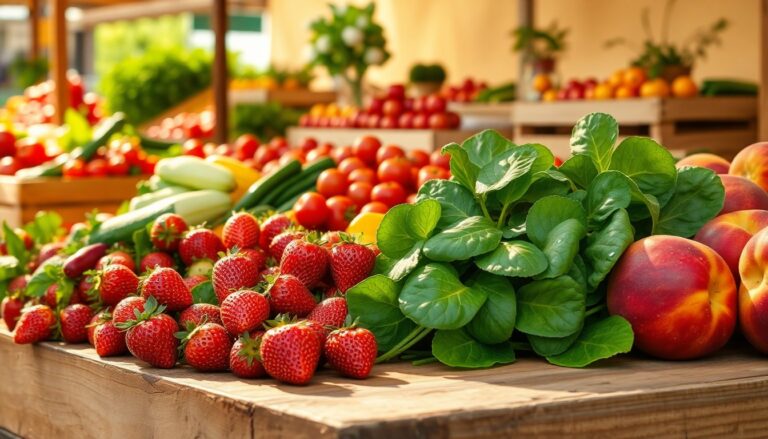
Concerns over food safety are prompting consumers to scrutinize the potential dangers in their groceries. Among these risks, the presence of pesticide residues in fruits and vegetables has become a significant issue. The Dirty Dozen list, compiled annually, identifies the twelve types of produce most likely to be contaminated, raising alarms about the health risks associated with these contaminants.
This article examines findings related to the Dirty Dozen, detailing which fruits and vegetables may pose health risks due to their pesticide content while exploring the implications of this information for consumers.
Identifying the Dirty Dozen
The Pesticide Action Network (PAN) UK analyzes the UK government’s residue testing results to create the Dirty Dozen list.
This compilation highlights fruits and vegetables that frequently exhibit multiple pesticide residues, often referred to as pesticide cocktails. Each year, PAN UK publishes this list to help consumers make informed shopping choices.
Understanding pesticide cocktails
The term pesticide cocktails refers to the combination of different chemicals found on produce.
While regulatory bodies assess the safety of individual pesticides, they often overlook the potential dangers posed by their interactions. Evidence indicates these combinations can be more harmful than previously recognized, leading to growing concerns about their cumulative impact on human health.
In a recent report, the UK government revealed that nearly half of the bread products tested contained multiple pesticide residues, marking a significant increase from previous years. This troubling trend in food safety highlights the urgency of addressing pesticide contamination. Common pesticides detected include glyphosate, associated with various health issues, including cancer.
Health implications of pesticide exposure
The presence of pesticides on food raises critical questions about consumer safety. Many chemicals identified in the Dirty Dozen have been linked to adverse health effects, including associations with cancer, reproductive issues, and developmental disorders. Pesticides such as chlorpyrifos and 2,4-D have been shown to disrupt hormonal systems, posing risks to both adults and children.
Specific concerns regarding certain produce
Fruits like grapes and citrus often rank high on the Dirty Dozen list due to elevated levels of pesticide residues. For example, one sample of grapes was found to contain residues from as many as sixteen different pesticides. Such findings underscore the extent of contamination and the need for consumers to remain vigilant.
Additionally, the European Union has acknowledged the dangers associated with certain pesticides, prompting plans to reduce the maximum residue levels (MRLs) of harmful chemicals like imazalil. This fungicide, commonly applied to citrus fruits, is classified as a carcinogen, raising further concerns about the safety of the food supply.
Consumer action and awareness
As awareness of pesticide contamination grows, consumers are encouraged to adopt proactive shopping habits. While washing or peeling fruits and vegetables may reduce some surface residues, it is essential to recognize that many pesticides are absorbed systemically, making complete removal impossible through these methods.
To reduce exposure to harmful pesticides, shoppers should consider purchasing organic produce whenever possible. Organic farming practices generally prohibit the use of many synthetic pesticides, providing a safer alternative for consumers concerned about chemical residues.
This article examines findings related to the Dirty Dozen, detailing which fruits and vegetables may pose health risks due to their pesticide content while exploring the implications of this information for consumers.0
This article examines findings related to the Dirty Dozen, detailing which fruits and vegetables may pose health risks due to their pesticide content while exploring the implications of this information for consumers.1
