

Proposal for New National Park in Wales Faces Unanimous Opposition from Local Councillors The recent proposal for establishing a new national park in Wales has encountered overwhelming disapproval from local councillors, highlighting serious concerns regarding its feasibility and potential impact on the community.
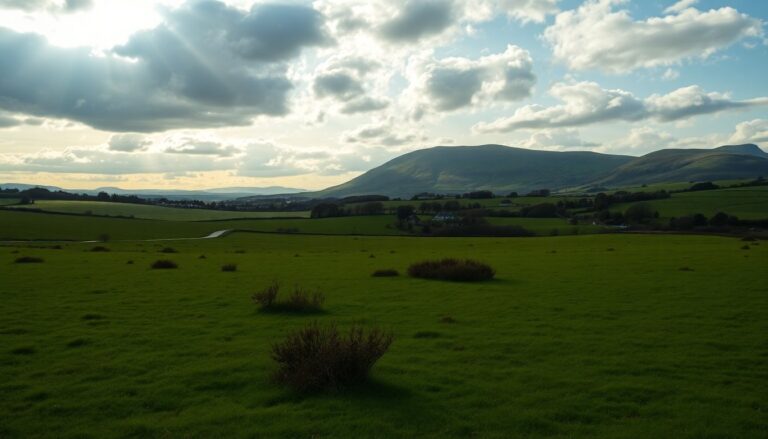
In a recent council meeting, members of Powys County Council made a significant decision regarding the proposed Glyndŵr National Park. The council voted unanimously against establishing this new national park, intended to encompass parts of Powys. This proposal, managed by Natural Resources Wales (NRW), has faced scrutiny, and the council’s leaders have articulated their objections clearly.
The consultation period for the park concludes on December 8, and the council’s response will be formally submitted before that deadline. Council Leader Cllr Jake Berriman presented a detailed objection that reflects the sentiments of council members. This decision follows a series of discussions, with objections already lodged during earlier consultation stages.
Revised boundaries and local opposition
The initial plan envisioned Llanfyllin as the southern gateway to the national park. However, recent modifications have excluded several key areas, including Llanfyllin, Meifod, and Llanrhaeadr-ym-Mochnant. The park’s southern boundary is now set to be near Llangadfan, with significant landmarks like Lake Vyrnwy remaining within the proposed area.
Local insights and community concerns
Cllr Berriman emphasized the council’s past discussions on this matter, stating, “The majority of members are opposed to the national park initiative, and we have communicated our stance previously.” He indicated that a formal objection from Powys would likely necessitate an inquiry if the Welsh Government pursued the proposal further.
Among the primary reasons cited for the objections were concerns about accessibility and the potential negative socio-economic impact on the region. The council highlighted the risk of losing planning income, noting that in the previous year, Powys County Council generated over £28,000 from planning applications in the affected areas.
Infrastructure limitations and community feedback
Conservative group leader Cllr Aled Davies, who represents the Llanrhaeadr-ym-Mochnant and Llansilin wards, echoed the community’s apprehensions. He pointed out that over the past two years, numerous meetings have revealed a consistent local sentiment against the national park. Cllr Davies shared his experience during the COVID-19 pandemic when the influx of day trippers severely strained local infrastructure, leading to congested single-track roads.
Long-term implications on culture and economy
Concerns were also raised about how establishing a national park could adversely affect the Welsh language, housing availability, and economic growth. Cllr Bryn Davies from Plaid Cymru remarked, “Local residents feel this park is more for outsiders than for our community. In essence, it’s a non-starter.” He mentioned that neighboring councils, including Denbighshire, had already voted against the proposal, with expectations that Gwynedd and Flintshire would likely follow suit.
The council ultimately concluded the meeting with a unanimous vote against the national park proposal. This decision reflects broader concerns about the implications of such a designation on local communities, infrastructure, and economic viability. Rather than viewing the national park as an opportunity, many local leaders perceive it as a potential burden that could disrupt their way of life.
While the creation of national parks is often seen as a chance to protect nature and bolster local economies, the sentiment in this case highlights the complexities and challenges involved. As the consultation period closes, the voices of local councillors and residents will continue to shape the future of this proposal and the region itself.
